
Filter by Category: Breeder Resource
Environmental Sources of Stress for Kenneled Dogs: Noise and Lighting
Dog welfare is more than just food, water, and good physical health. Several aspects of the environment can impact a dog’s welfare. Dogs have a very different sensory experience from humans. Make sure your kennel is tailored to meet your dog’s needs. Noise Reduction...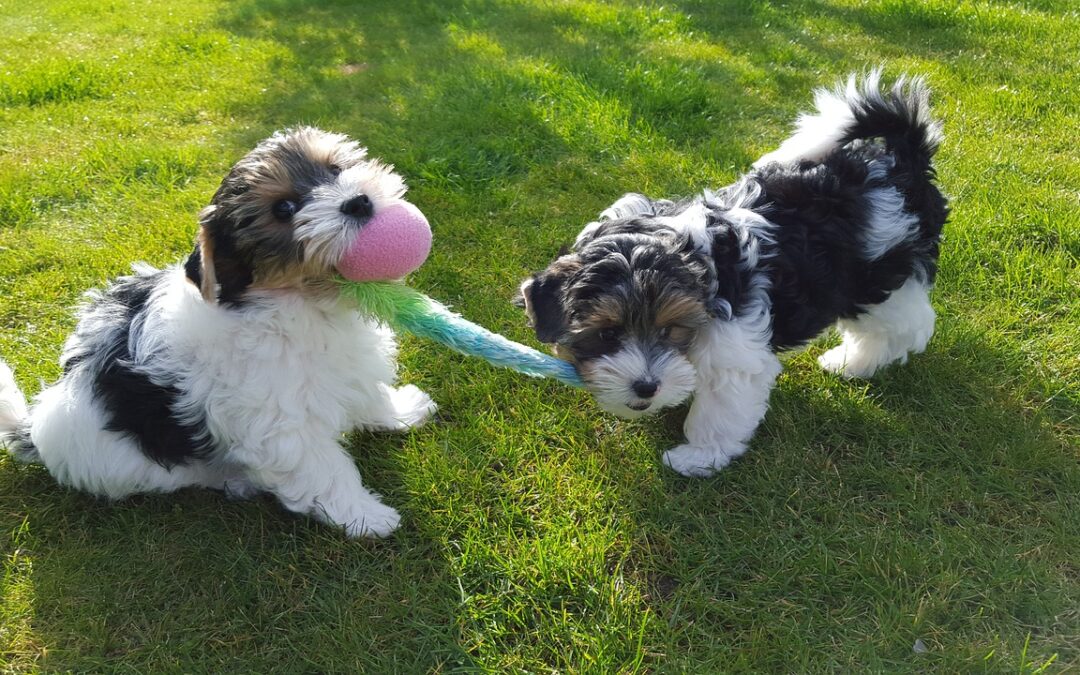
Quick Tips: Socialization and Early Exposure – Croney Research Group
Puppies need appropriate socialization during the sensitive period (between 3-14 weeks of age). A well socialized puppy will grow into a friendly adult dog and socialization will prevent fear-related behavior problems. Socialize puppies to people who are unfamiliar to...
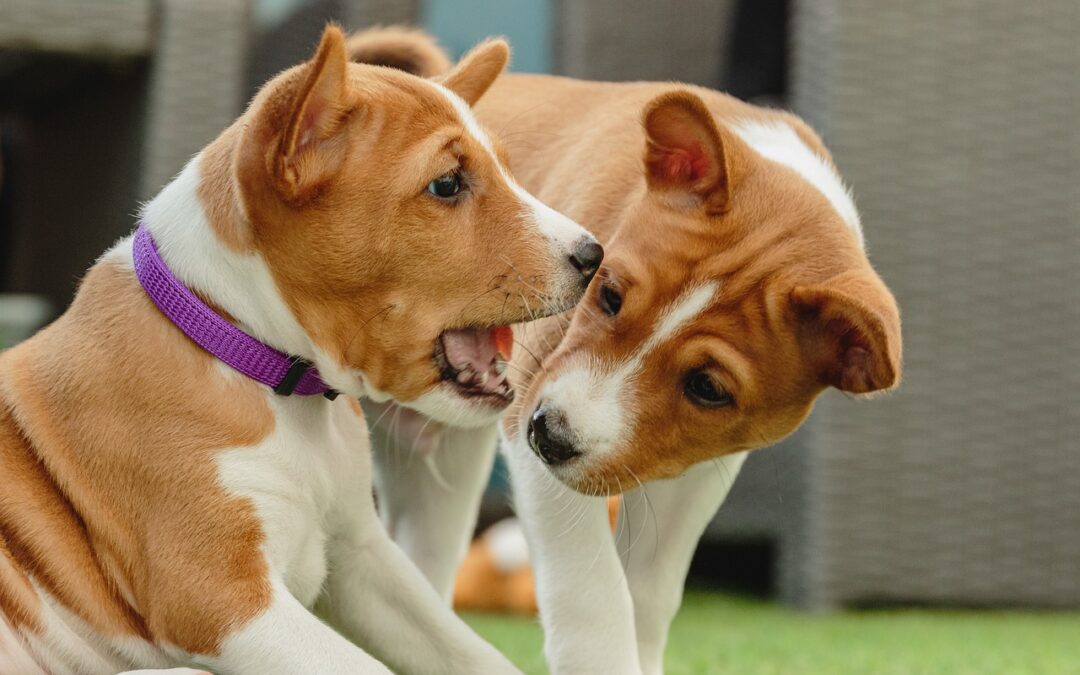
The Relationship of Adult Morphology and Early Social Signaling of the Domestic Dog (Canis familiaris)
Using puppies in 40 litters from 32 breeds, we investigated the relationship between the frequencies of behaviours (social signals), and the adult morphology of these dogs. Despite a high level of precision, no statistically significant relationships were found between the deviation of the adult morphology from the ancestral lupine morphotype and early social signalling in the dog. Continue Reading The Relationship of Adult Morphology and Early Social Signaling of the Domestic Dog (Canis familiaris)

How a Mother’s Stress Can Influence Unborn Puppies
Learn more in this article from the Whole Dog Journal, how a mother’s stress may impact her puppies. By Dr. Jessica Hekman, DVM.
Learn more in this article from the Whole Dog Journal, how a mother’s stress may impact her puppies. By Dr. Jessica Hekman, DVM.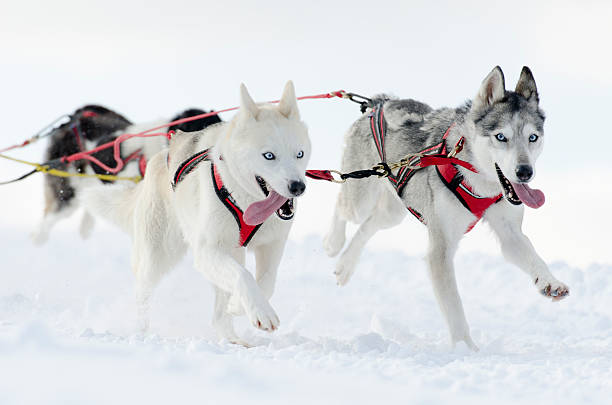
Investigating the Effects of Incremental Conditioning and Supplemental Dietary Tryptophan on the Voluntary Activity and Behaviour of Mid-Distance Training Sled Dogs – CRONEY RESEARCH GROUP
Robinson, E., Templeman, J. R., Thornton, E., Croney, C. C., Niel, L., & Shoveller, A. K. (2020). Investigating the effects of incremental conditioning and supplemental dietary tryptophan on the voluntary activity and behaviour of mid-distance training sled dogs. nutrition Continue Reading Investigating the Effects of Incremental Conditioning and Supplemental Dietary Tryptophan on the Voluntary Activity and Behaviour of Mid-Distance Training Sled Dogs – CRONEY RESEARCH GROUP