Filter by Category: Breeder Resource
Dog welfare is more than just food, water, and good physical health. Several aspects of the environment can impact a dog’s welfare. Dogs have a very different sensory experience from humans. Make sure your kennel is tailored to meet your dog’s needs. Temperature and...
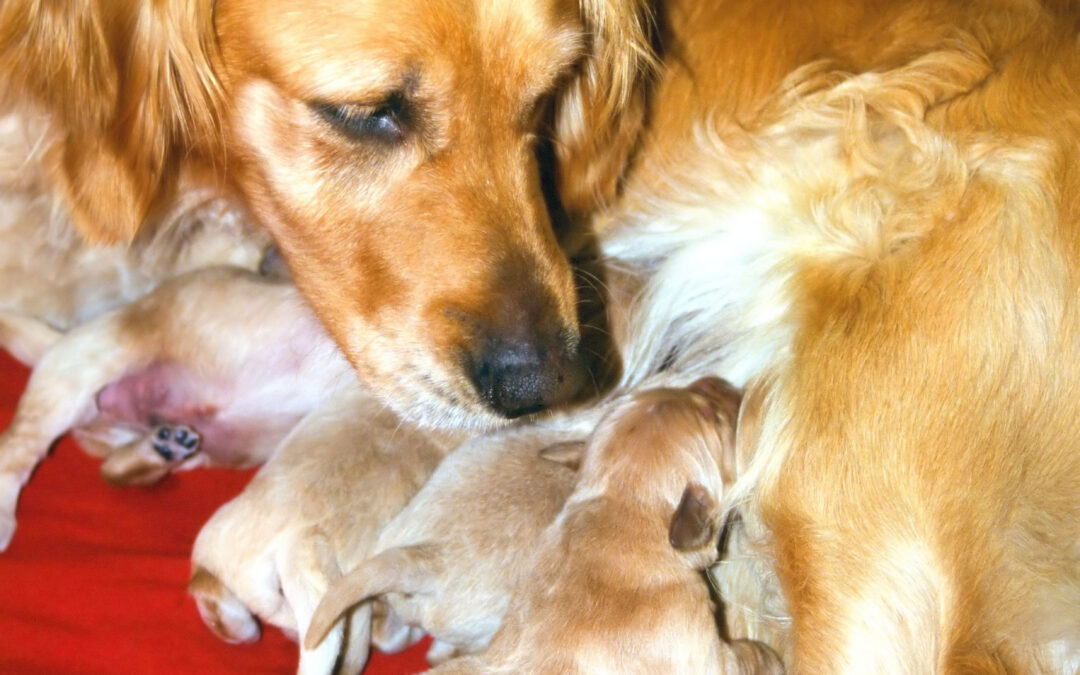
From the Croney Research Group Before giving birth, dogs naturally seek out a place to nest. Support your dog’s instincts by providing a whelping area that feels safe and comfortable. A good whelping box set up reduces stress for your dam so she can focus...
Steps for Designing Dog Friendly Kennels Dog friendly kennels are important for dog welfare. A well-designed kennel will help to prepare dogs to be lifelong companions in their new homes. Learn more: Incorporating Canine Behavior and Welfare into Kennel Design All...
Dog Friendly Kennel Design Thoughtful kennel design incorporates how dogs experience their environment. Planning should consider dogs’ senses of hearing, touch, smell, and sight. This supports dogs’ mental and physical health. Kennels designed to support...
Dog welfare is more than just food, water, and good physical health. Several aspects of the environment can impact a dog’s welfare. Dogs have a very different sensory experience from humans. Make sure your kennel is tailored to meet your dog’s needs. Noise Reduction...
Puppies need appropriate socialization during the sensitive period (between 3-14 weeks of age). A well socialized puppy will grow into a friendly adult dog and socialization will prevent fear-related behavior problems. Socialize puppies to people who are unfamiliar to...