
QUICK TIPS: Kennel design with behavior & welfare considerations
Steps for Designing Dog Friendly Kennels
Dog friendly kennels are important for dog welfare. A well-designed kennel will help to prepare dogs to be lifelong companions in their new homes.
Learn more: Incorporating Canine Behavior and Welfare into Kennel Design
All kennels should meet state and federal requirements. If you are looking to build or modify a kennel or facility, consider:
- Flexibility to meet individual dog needs (including breed and size)
- The type of kennel — indoor and outdoor areas
- Specific needs such as exam rooms, quarantine areas, and whelping areas
- Dog safety, and state/federal requirements
- The usability of the space for people and dogs
- Allowance for natural dog behaviors such as digging, sniffing, and playing
- Dog welfare into kennel design. Consider noise reduction, effective use of space, and building enrichment
Learn more: Environmental Enrichment and Why it is Good for Dogs! and Implementing Environmental Enrichment in Kennels.
Noise Reduction
- Install sound reducing panels.
- Muffle noise from gates and doors with soft-close hardware.
- Reduce unnecessary traffic in front of the kennels. Place high-visit areas in the front and low-visit areas in the back.
- Equipment also contributes to environmental noise.
- Sound proofing between areas/rooms may reduce barking. Dogs that can hear other dogs barking may start barking themselves.
- Provide enrichment, social interaction, and exercise. These activities decrease frustration and fear that lead to barking.

Effective Use of Space
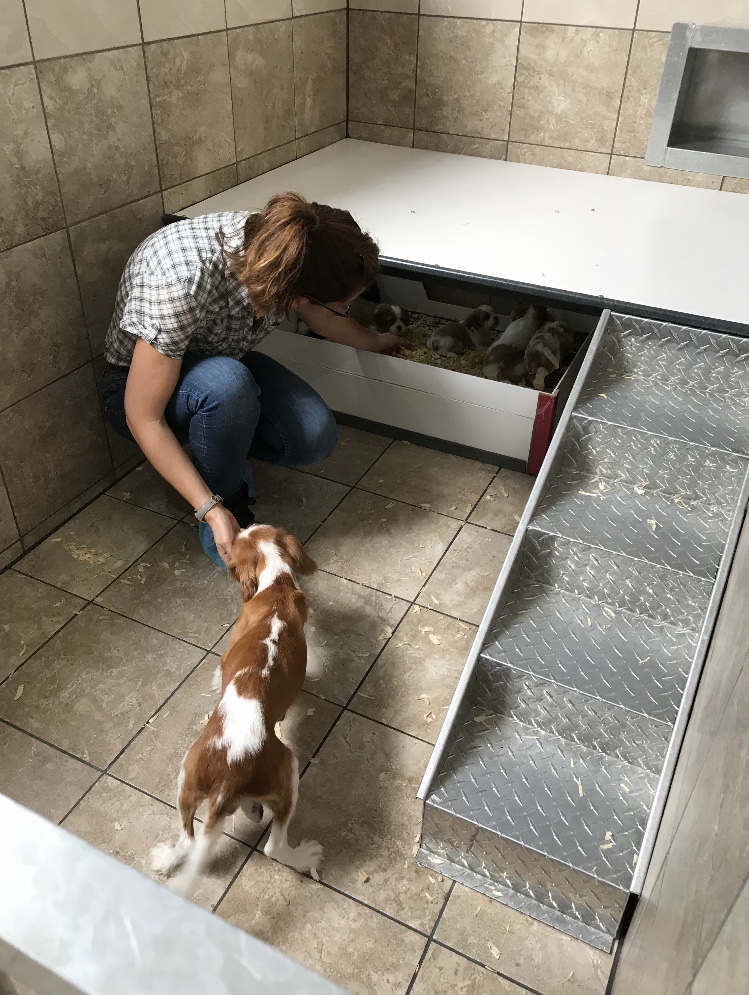
Whelping areas should be away from the main kennel. Quiet areas with few disruptions can decrease maternal stress.
Provide separate nesting and elimination areas to help puppies stay clean. This also prepares puppies for successful house training.
Plan puppy housing to allow for easy introduction of objects and novel surfaces.
Provide enough pen space to accommodate social housing.
Use drain covers to prevent toys and enrichment items from clogging drains.
Incorporate complexity and enrichment into new kennel design, such as play areas, multiple levels and different substrates.
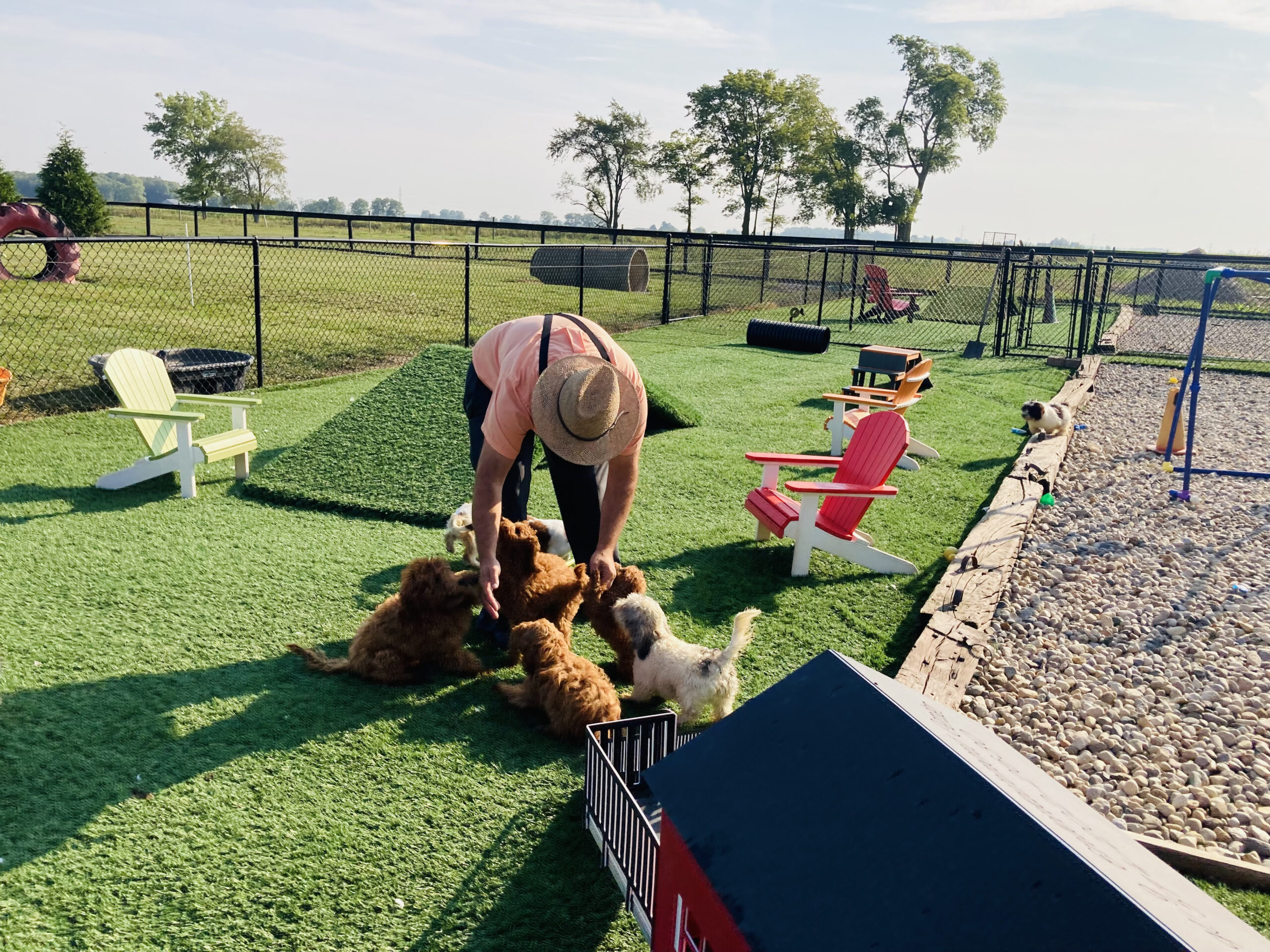
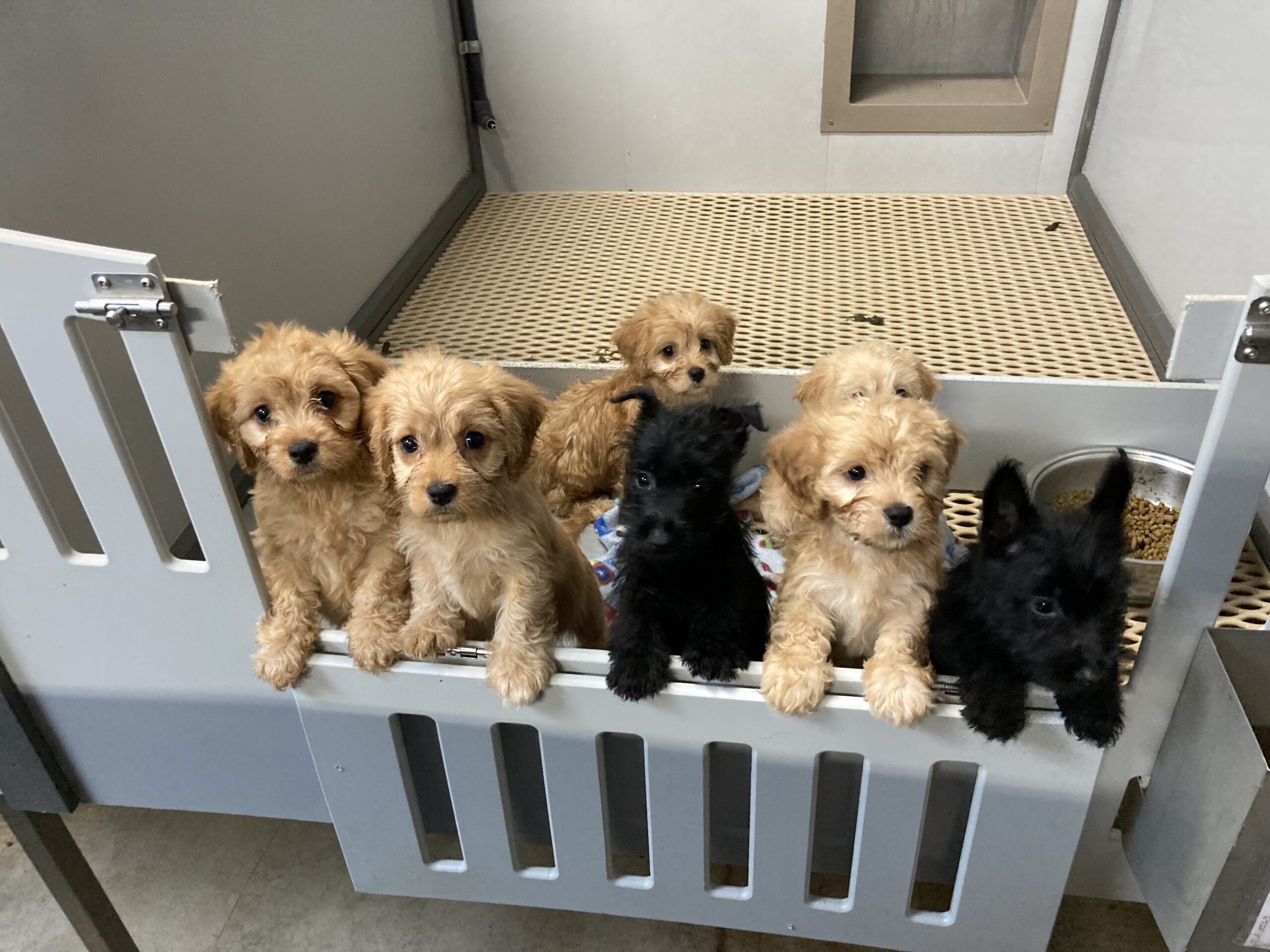
Design spaces with indoor and outdoor play areas so dogs can exercise regardless of the weather.
Avoid placing exercise areas next to home pens, which may frustrate or excite kenneled dogs.
Use gates and alleyways to make it easier to move dogs between the home pen and other areas of the facility.
Ventilate kennels to increase airflow, reduce odors, and maintain appropriate temperatures and humidity.
Flooring must be easy to clean and sanitize. Good flooring is non-slip even when wet.
Incorporate Complexity and Enrichment
-
- Raised platform areas allow dogs to rest and elevate themselves. Steps and ramps provide exercise and expose dogs to common features found in homes.
- Provide spaces where dogs can see or hide from people and dogs outside the home pen. Increase the feeling of safety with solid barriers, windows, and built-in structures for perching or hiding.
- Provide different surfaces (grass, gravel, rubber mats, concrete, tile). Having a variety of substrates offers choice to the dogs and supports foot and leg health and may facilitate housebreaking.
- Outdoor yards or inside play areas can increase learning and exercise. Set up safe structures such as slides, tunnels, and places to climb. Sandboxes and shallow pools allow digging and swimming.
- Pens should allow for easy and comfortable contact between caretakers and dogs. Avoid a set up that requires handlers to lean over dogs to see or interact with them.
Topic(s): Bare Bones Basics, Breeder Resource, Designs that Support Good Welfare, Environment, Kennel - Complex Environments, Kennel Design