
Understanding Canine Parvovirus
What is Parvovirus?
Canine parvovirus (or “parvo”) is a highly contagious virus that attacks a dog’s gastrointestinal tract (stomach and intestines). While it is more common in young puppies (6 to 20 weeks old), older unvaccinated dogs can also get ill.
How does it spread?
Parvo is famously tough. It can survive for months in the environment, and it easily resists heat, cold, and humidity. It spreads through:
- Direct contact with an infected dog.
- Contact with infected poop (even trace amounts you can’t see).
- Contaminated objects like food bowls, leashes, crates, and even the hands or clothing of people who have touched a sick dog.
What are the warning signs?
Signs of parvo can vary, but the virus strikes quickly. Call your veterinarian immediately if your puppy or adult dog shows any of these symptoms:
- Extreme weakness and tiredness
- Refusing to eat or drink
- Severe, often bloody, watery poop (diarrhea)
- Vomiting and drooling
- Fever
- A painful, bloated belly
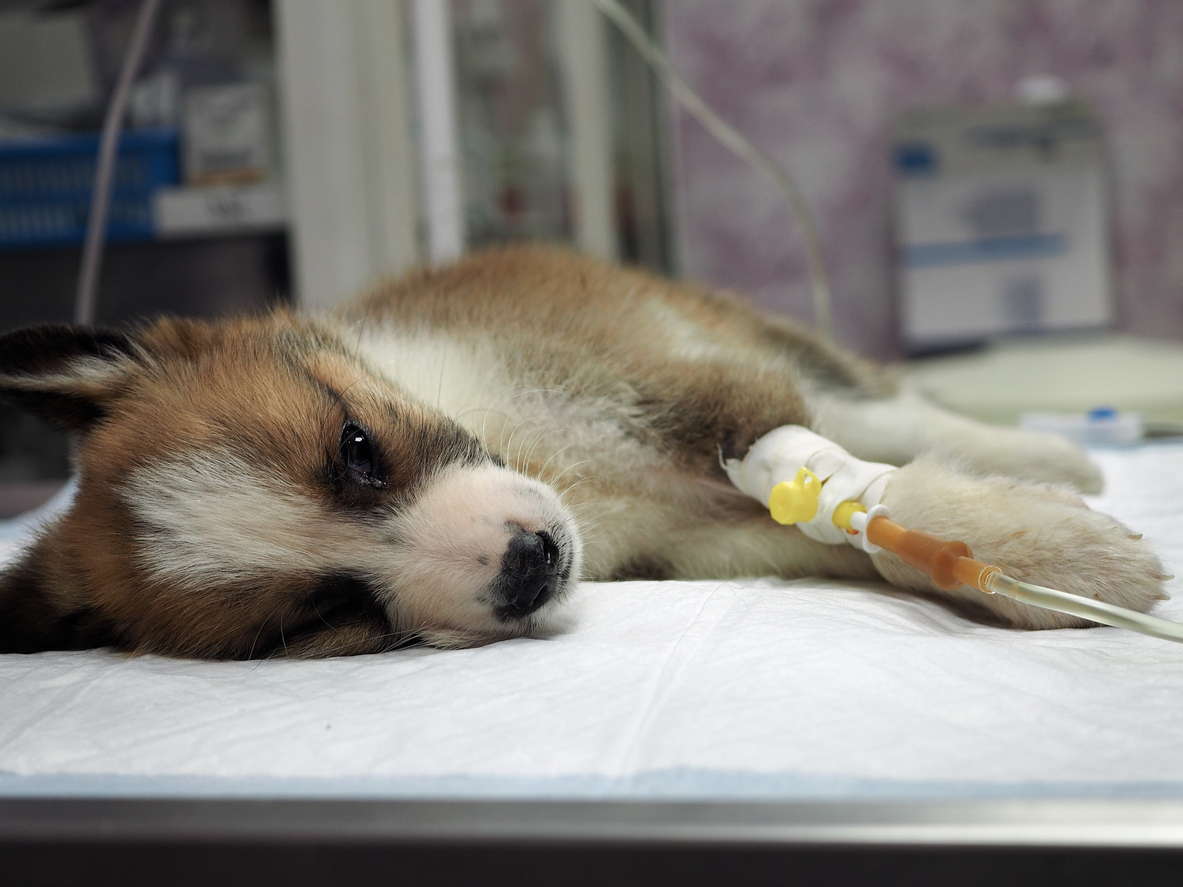
If untreated, parvovirus can be fatal within a few days.
Is Parvo dangerous?
Yes. Constant vomiting and diarrhea can quickly cause severe dehydration. The virus also damages the gut lining and weakens the immune system, which can let harmful bacteria enter the bloodstream and become life-threatening. However, dogs that get immediate veterinary treatment have a 75% to 80% chance of survival.
How do I test my dogs for Parvo?
Your veterinarians can test for parvo at the clinic using a quick stool test that detects specific proteins on the virus’s surface (an ELISA test). The test takes less than 15 minutes.
What is the treatment?
Dogs with parvo usually require intensive, 24/7 care in a veterinary hospital for several days. Treatment includes IV fluids to fight dehydration, medications to control nausea and diarrhea, antibiotics to prevent other infections, and nutritional support. Getting your dog to the veterinarian immediately gives them the best chance of survival.
Parvo prevention is the key to protecting your pup!
How can I protect my dog?
Because the virus is so hard to kill and resists most household cleaners, prevention is your best defense for protecting your pup’s health and avoiding expensive, intensive treatments.
- Puppies need a series of parvo vaccinations starting at 6–8 weeks old, given every few weeks until they are at least 16 weeks old. They need a booster shot one year later, and adult boosters every one to three years following your veterinarian’s recommendations.
- Do not expose your puppy to other dogs with unknown vaccination histories at public parks, pet stores, or doggie daycares until they have finished all their puppy shots. Visiting a friend’s home with healthy, dog-friendly, fully vaccinated dogs, or attending well-managed puppy classes, is a good alternative for socialization.
- Carry your puppy in public areas; do not let them walk in areas where other dogs have been.
- Keep any dog being treated for or suspected of having parvo completely away from other animals.
- If you handle a dog that might be sick, wash your hands thoroughly and change your clothes before touching any other pets.
- If a dog with parvo has been in your home, all indoor areas, bedding, and bowls must be thoroughly cleaned and then disinfected before bringing another dog inside. Be sure to use products that clearly state on the label that they are effective against parvovirus.
Note: Puppy classes are a great way to socialize your puppy. It is important that the classes are well-managed to decrease the risk of your puppy getting sick.
A well-managed puppy class will require all puppies to be current on vaccines, restricts sick puppies from attending, and utilizes an effective cleaning protocol.

Topic(s): Bare Bones Basics, Breeder Resource, Preventative Care, Veterinary Care