
Quick Tips for Success: Environmental Enrichment in Kennels – Croney Research Group
You can use enrichment in whelping areas, play areas and runs, and both indoor and outdoor.
Remember:
- Choose locations where enrichment is most likely to “add value”
- Disperse multiple enrichment items throughout a kennel to prevent competition between dogs
- Monitor how your dogs use enrichment
- When providing outdoor enrichment, make sure dogs always have access to shade and water
Make Enrichment Easy!
Be prepared: set up a calendar ahead of time with each day’s enrichment activity filled in. This allows you to quickly set up and dispense enrichment and ensures you are rotating activities regularly.
Create an enrichment cart. Keep clean toys, chews, food puzzles, and treats together on a cart so they are available when you are ready to use them and easy to push through the kennel.
Safety Protocols for Enrichment
Sanitize all enrichment items as needed to prevent the spread of disease.
Make cleaning of toys and puzzle feeders easy. Soaking items in a 5-gallon bucket before washing and using a bottle brush can be helpful. Some items such as Kong toys can be sanitized in the top rack of a dishwasher or in a washing machine.
Cleaning the supplies and stuffing puzzle toys with treats are fun tasks for younger caretakers.
What to look for when implementing enrichment for kenneled dogs
Enrichment is only valuable if it matters to the dog. An item or activity is not enriching if dogs do not use it, are afraid to use it, or seem bored with it.
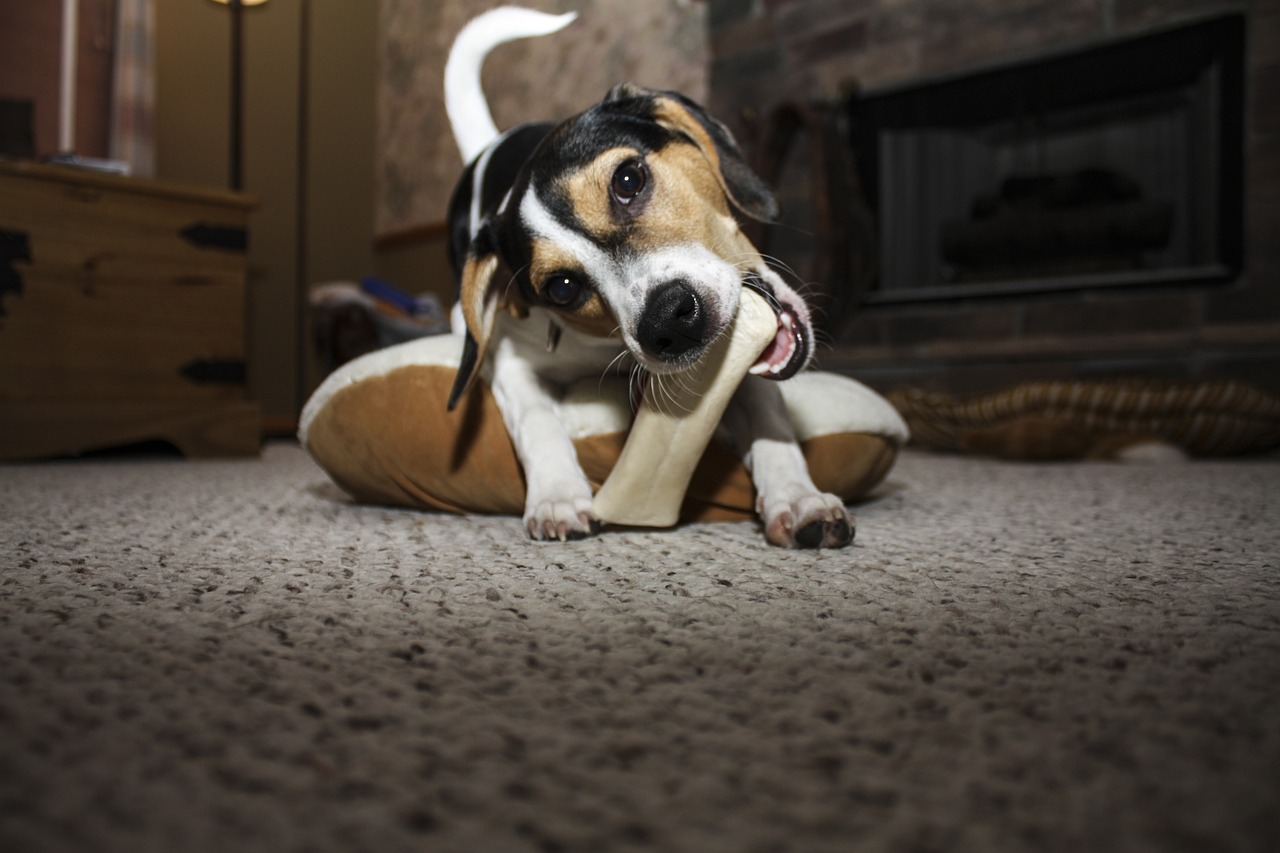
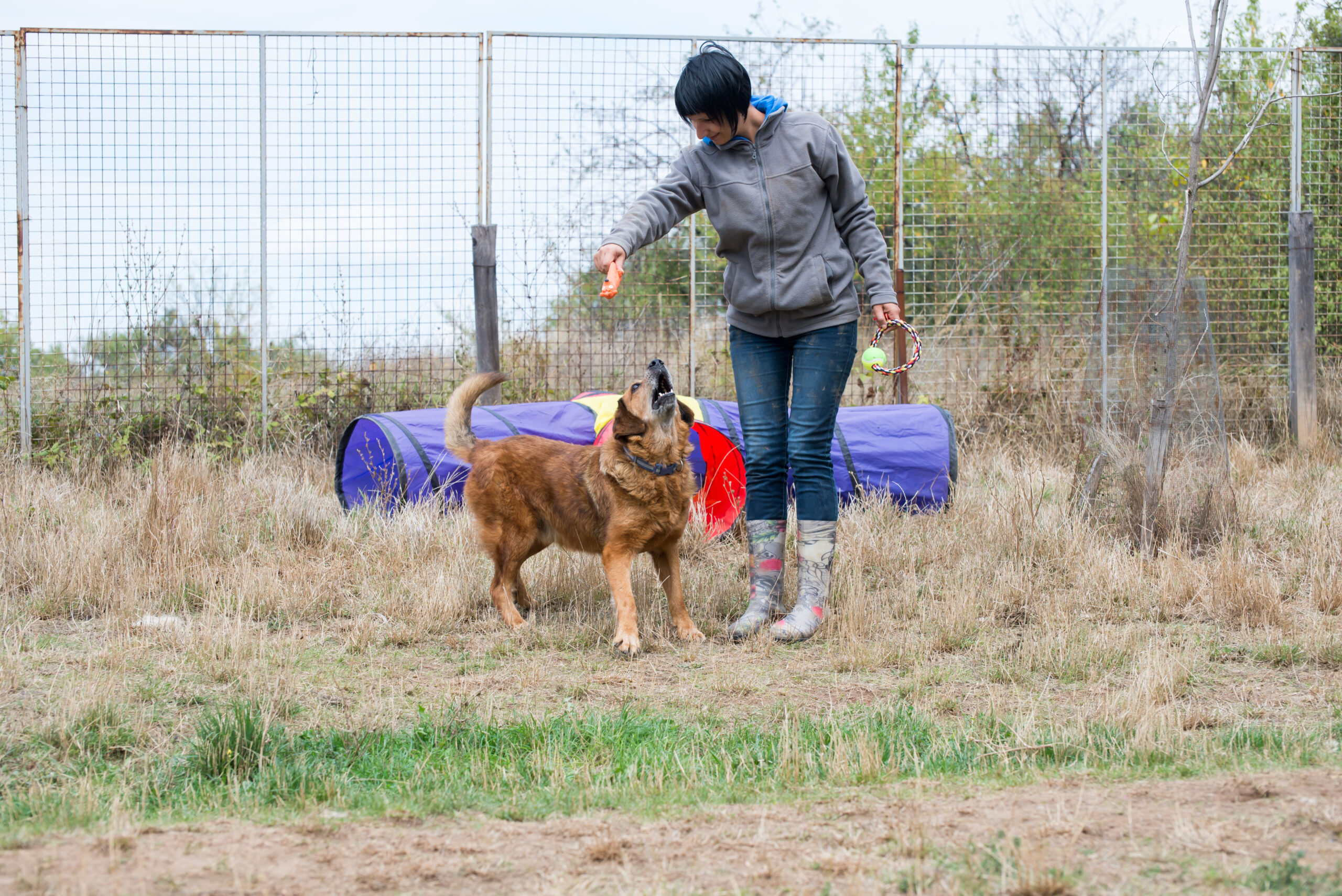
Choose enrichment that encourages natural dog behaviors. Some examples of behaviors to encourage include social interactions, exploring the environment, and chewing.
Keep exposure to new enrichment positive and short in duration at first. Watch your dogs’ body language to ensure they are enjoying the experience (Learn more – Canine Body Language).
Supervise a dog’s first interactions with enrichment activities to ensure safety. Watch them with toys/chews until you are sure the dog will not break off or swallow pieces
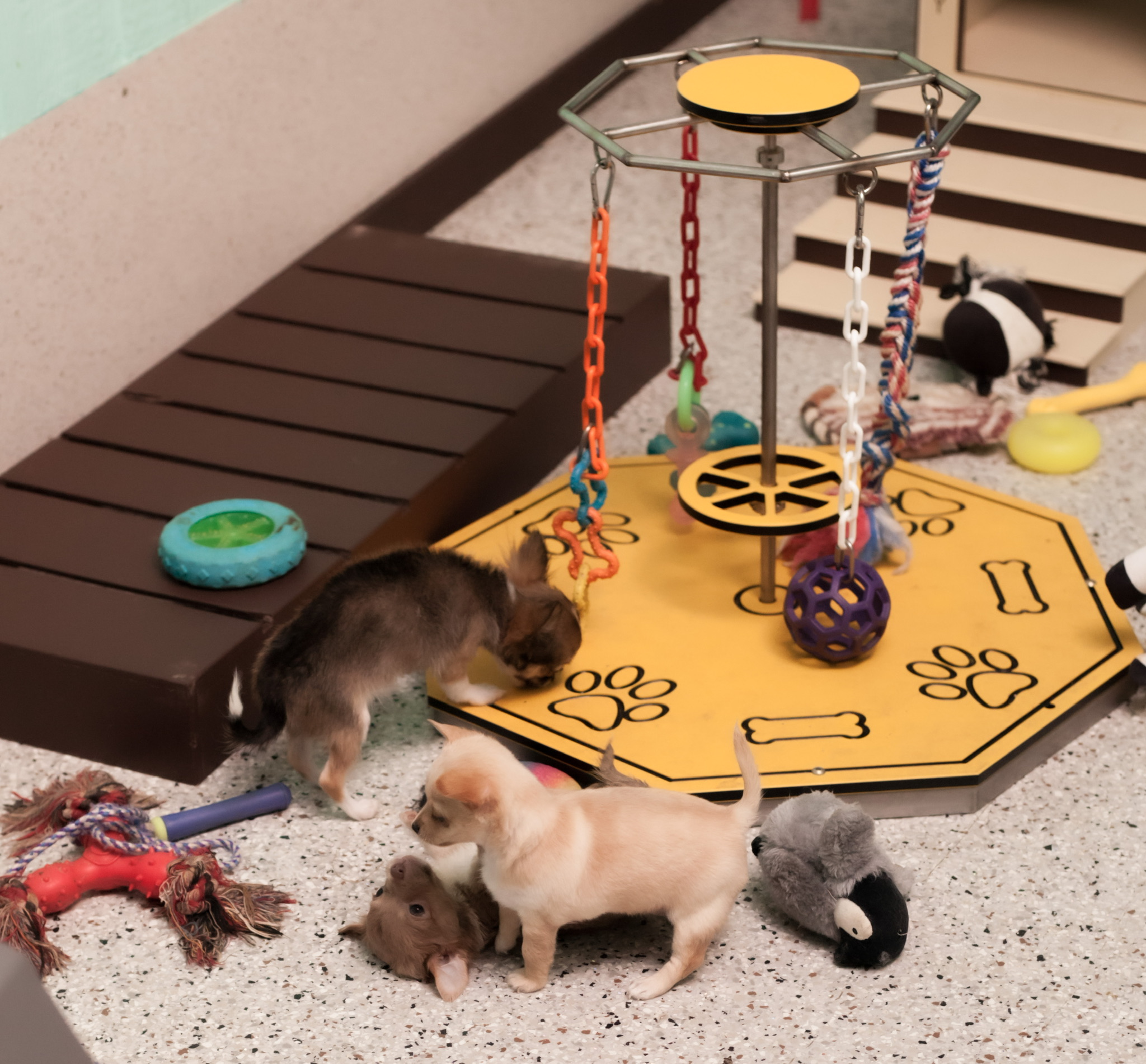
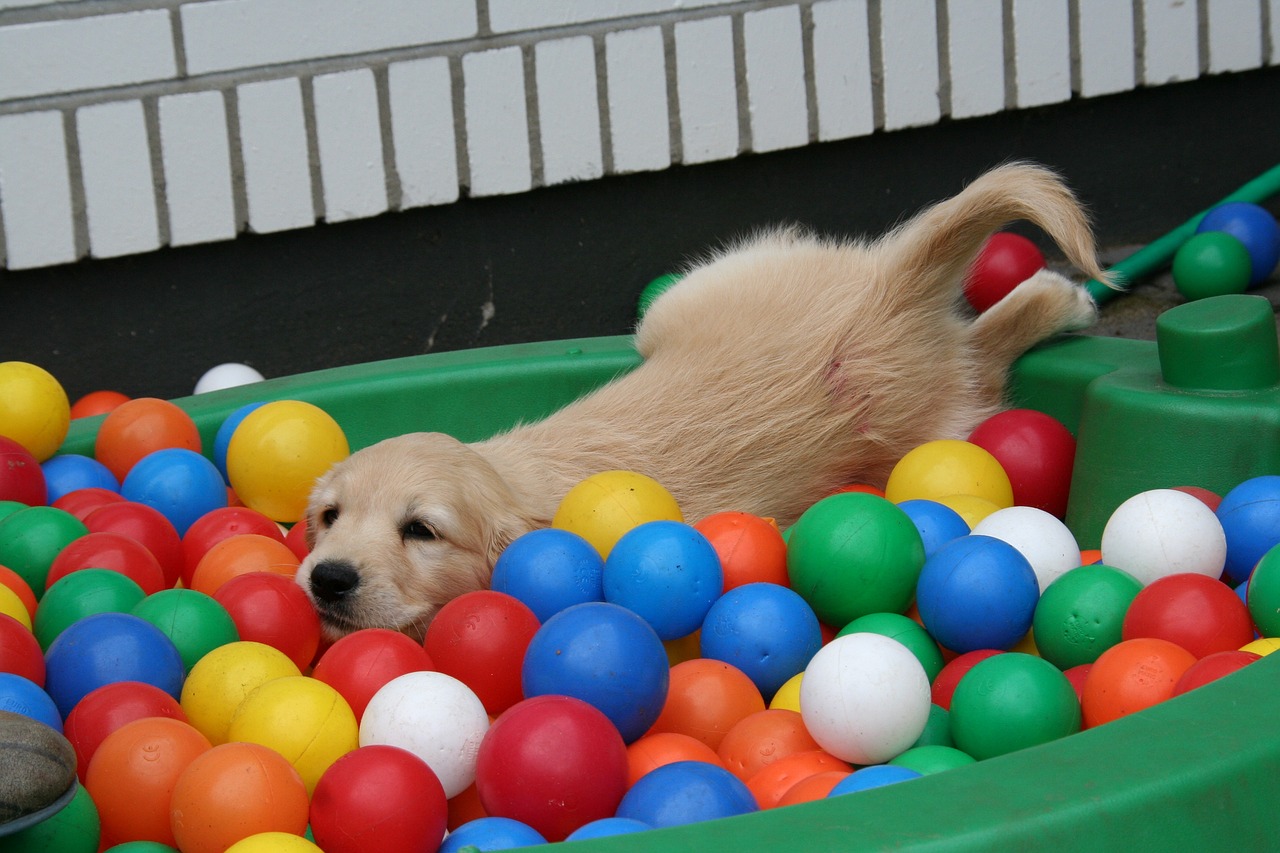
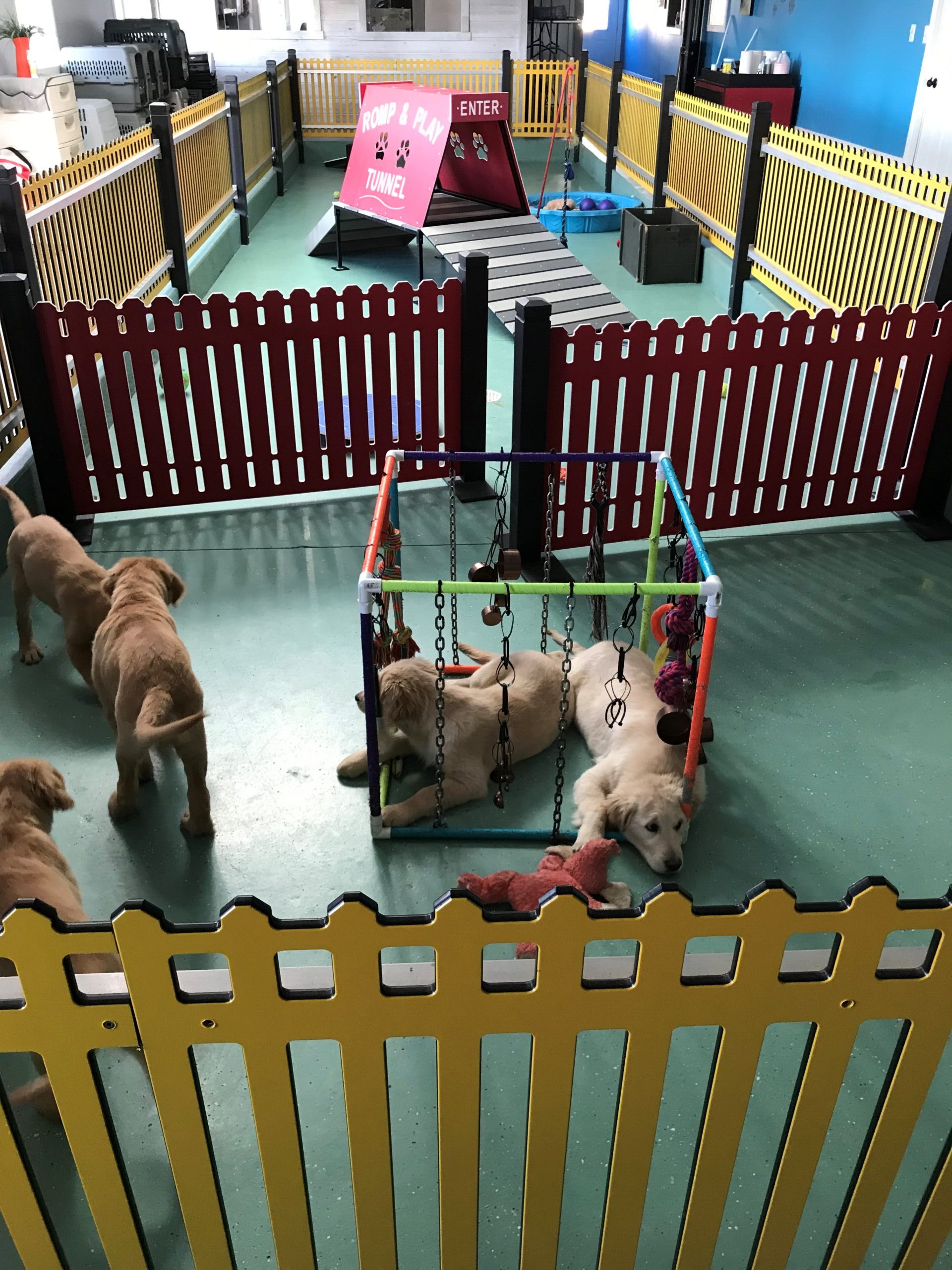
Enrichment for Groups of Dogs
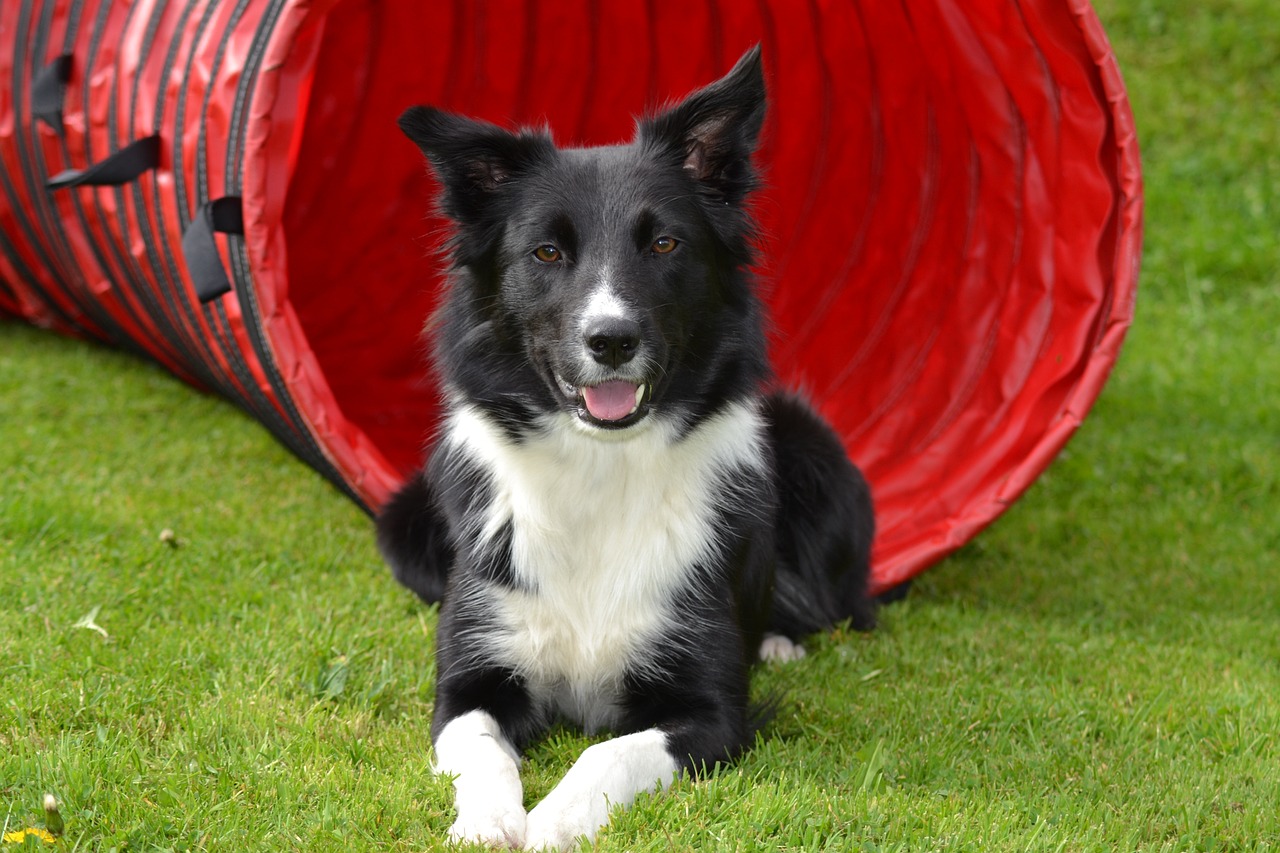
Avoid creating frustration. Set up play or exercise areas away from dogs confined in home pens.
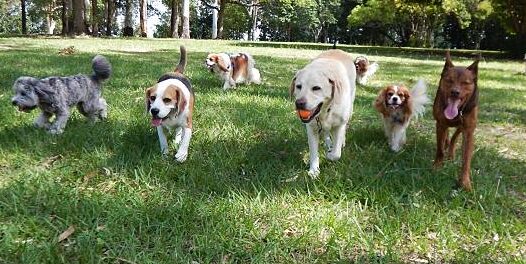
Make sure you don’t encourage competition between dogs living in groups. Distribute enough enrichment for each dog.
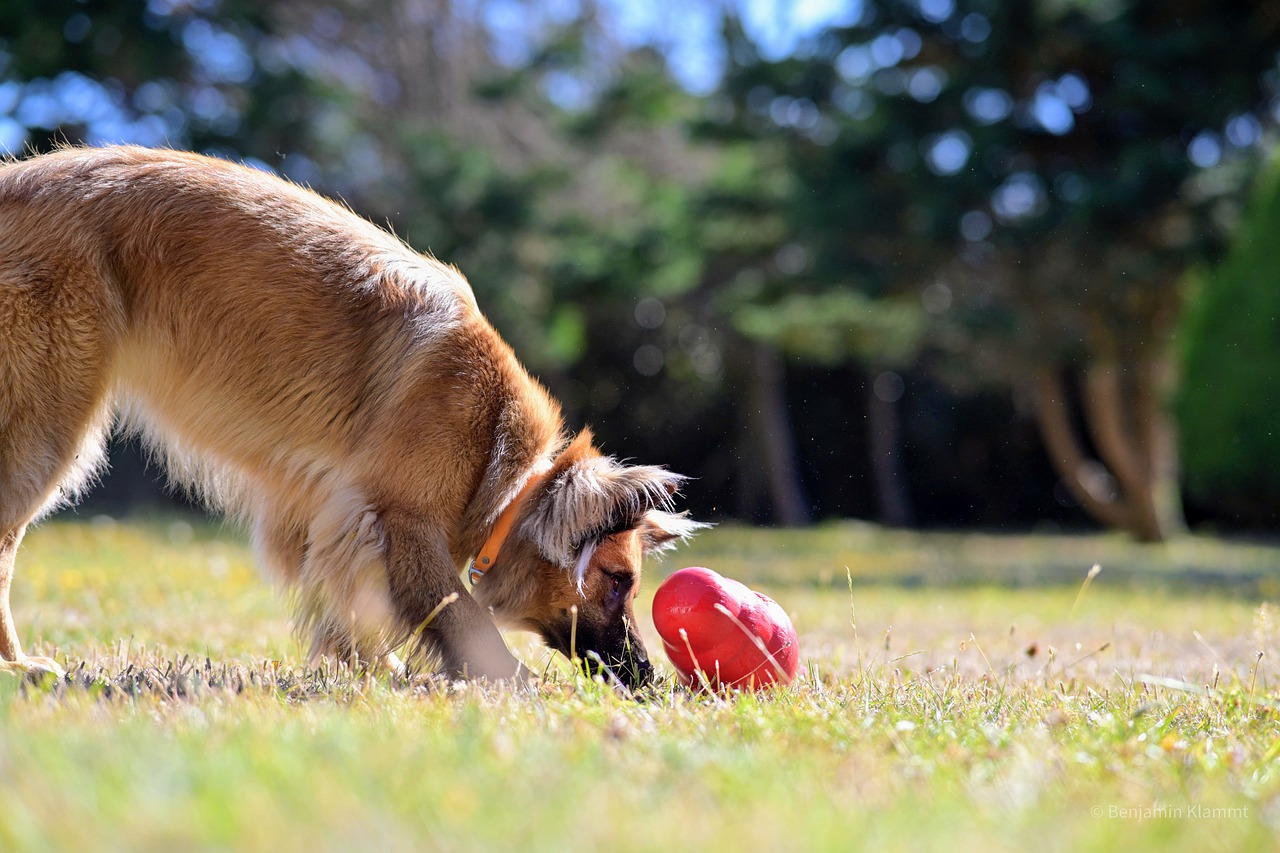
Food enrichment may not be appropriate for groups. If possible, place dogs in separate areas when providing food puzzles.
Assess and Update Enrichment Plans
Rotate enrichment activities and items frequently.
Modify your enrichment program as needed – don’t be afraid to try new things! And if something isn’t working for your dogs, stop and try something different.
Remember that each dog is an individual. Some dogs will have different needs and preferences than others.
Select enrichment that you expect the dog will enjoy. Enrichment can also help address a specific management/behavioral issue.
Topic(s): Bare Bones Basics, Breeder Resource, Types of Enrichment