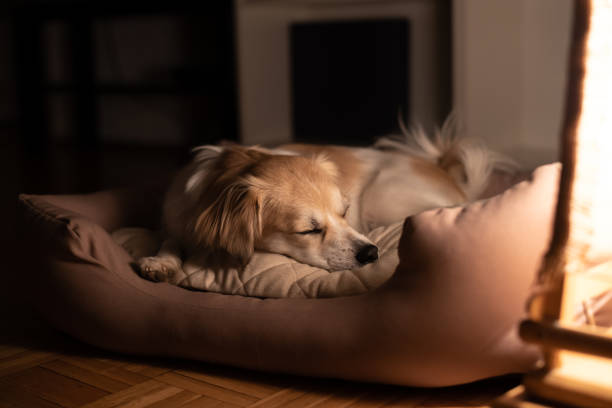
Fukuzawa, M. & Nakazato, I. (2014). Influence of changes in luminous before bedtime on sleep in companion dogs. Environment kennel design lighting Continue Reading Influence of Changes in Luminous Emittance Before Bedtime on Sleep in Companion Dogs
Locker, A. (n.d.). Reducing stress by design. Pet Boarding & Daycare. Retrieved December 14, 2022, from https://www.petboardinganddaycare.com/archive/back_issues/volume3edition2/article8.html Continue Reading Reducing Stress by Design
Hiby, E.F., Rooney, N.J., and Bradshaw, J.W.S. (2006). Behavioural and physiological responses of dogs entering re-homing kennels. Environment kennel design welfare Continue Reading Behavioural and Physiological Responses of Dogs Entering Re-Homing Kennels
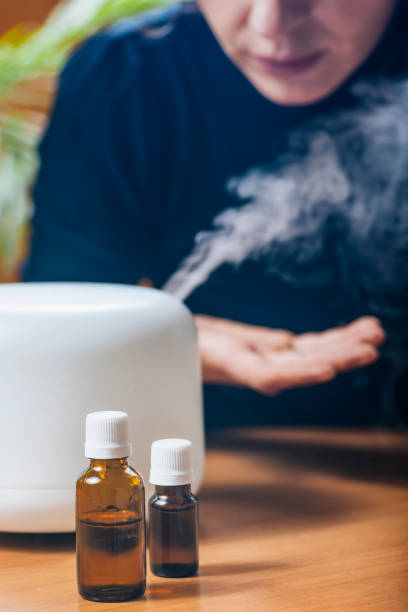
This study explored the influence of five types of olfactory stimulation (control, lavender, chamomile, rosemary and peppermint) on the behaviour of 55 dogs housed in a rescue shelter. The dogs were exposed to each type of olfactory stimulation, through the diffusion of essential oils, for 4 h a day for 5 days, with an intervening period of 2 days between conditions. The dogs’ behaviour was recorded on days 1, 3 and 5, during each condition of olfactory stimulation. Certain aspects of the dogs’ behaviour were influenced by the odours. Continue Reading The Influence of Olfactory Stimulation on the Behaviour of Dogs Housed in a Rescue Shelter
Vincent, R., & Robertson, J. (2022, March 4). Gaps in scientific research related to canine-breeding considerations. JVR Shelter Strategies. Retrieved December 14, 2022, from https://www.shelterstrategies.com/resources/gaps-research-canine-breeding-considerations/ Continue Reading Gaps in Scientific Research Related to Canine-Breeding Considerations
Two groups of beagles, accustomed to spacious group housing, were subjected to social and spatial restriction and studied for manifestations of chronic stress with a time interval of 7 weeks between the groups. Continue Reading Chronic Stress in Dogs Subjected to Social and Spatial Restriction. II. Hormonal and Immunological Responses