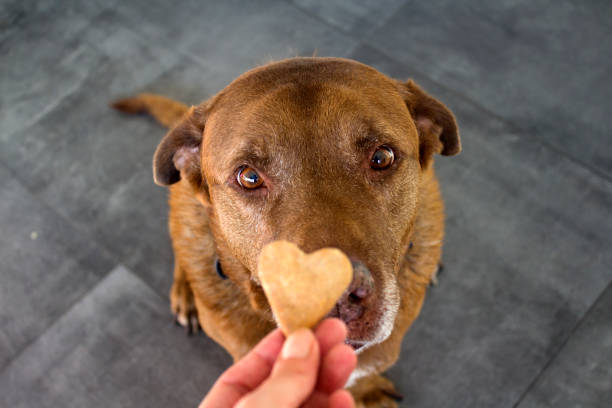
Feuerbacher, E. N., Stone, C., & Friedel, J. E. (2022). Give the dog a big bone: Magnitude but not delivery method of food impacts preference and reinforcer efficacy in dogs. Behavior Analysis: Research and Practice, 22(1), 31–49. https://doi.org/10.1037/bar0000237 Continue Reading Give the Dog a Big Bone: Magnitude But Not Delivery Method of Food Impacts Preference and Reinforcer Efficacy in Dogs
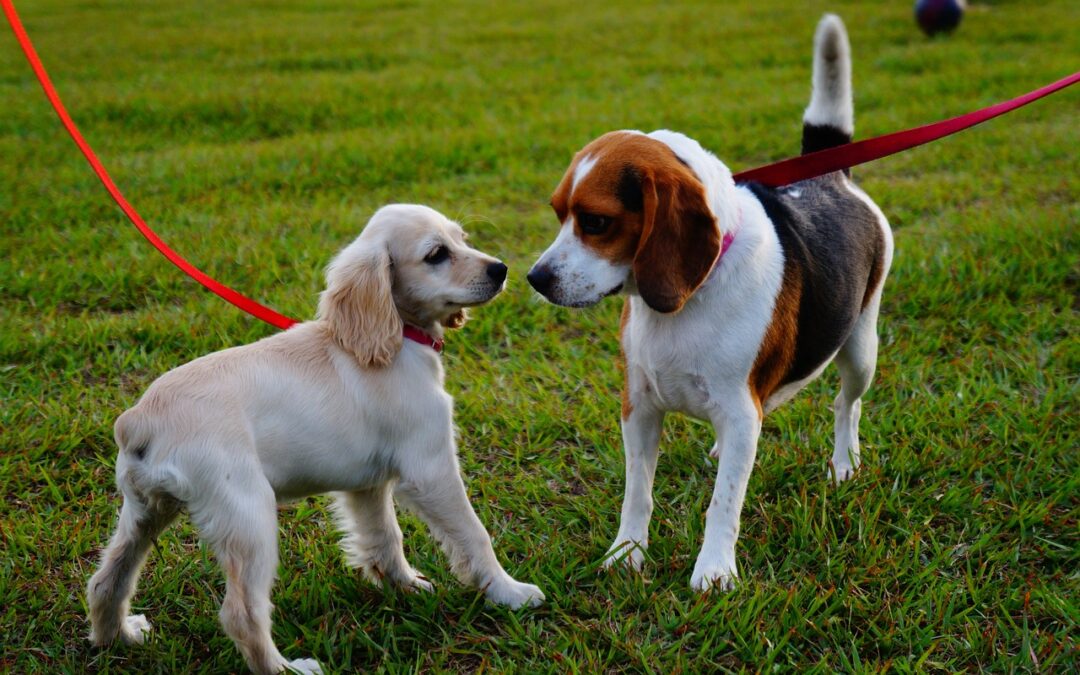
Pet Leadership Council. (2019) Introducing your dog to other dogs. American Pet Products Association. https://bedogsmart.org. Used with permission. Continue Reading Be Dog Smart: Introducing Your Dog to Other Dogs
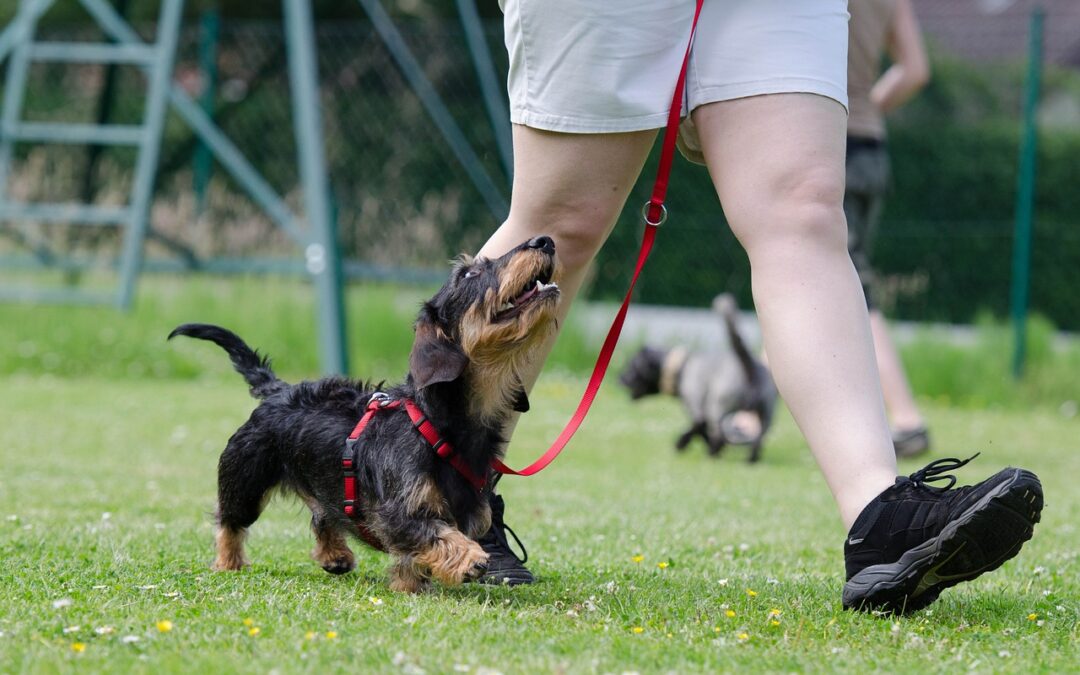
Dinwoodie, I.R., Zottola, V., and Dodman, N.H. (2021). An investigation into the impact of pre-adolescent training on canine behavior. Animals, 11, 1298, https://doi.org/10.3390/ani11051298. Continue Reading An Investigation Into the Impact of Pre-Adolescent Training on Canine Behavior
Muzzle Advocacy, education, and training. The Muzzle Up! Project. problem behavior recognition Continue Reading The MUZZLE UP! Project
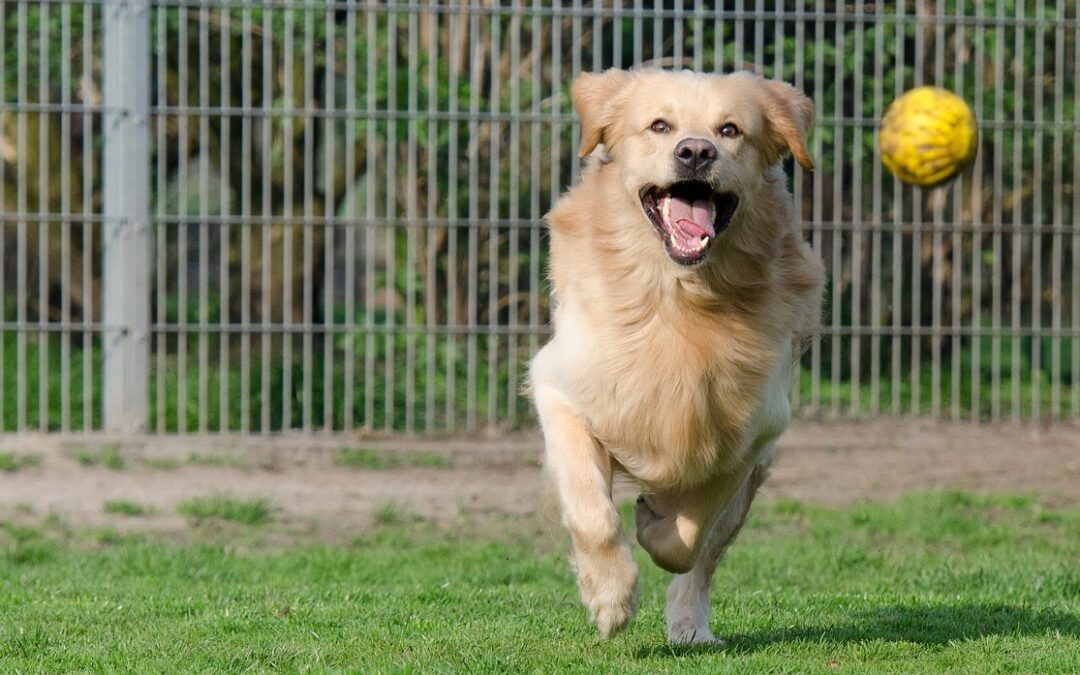
Play is an enigmatic behaviour, the function of which is still debated, despite more than a century of research. We discuss the evolutionary function of play behaviour, focusing on the domestic dog (Canis familiaris), a unique species due to its past domestication and current cohabitation with humans. Continue Reading Why Do Dogs Play? Function and Welfare Implications of Play in the Domestic Dog
Grumble and Growl Zones. FamilyPaws.com problem behavior recognition Continue Reading Grumble and Growl Zones