Filter by Category: Social Interactions
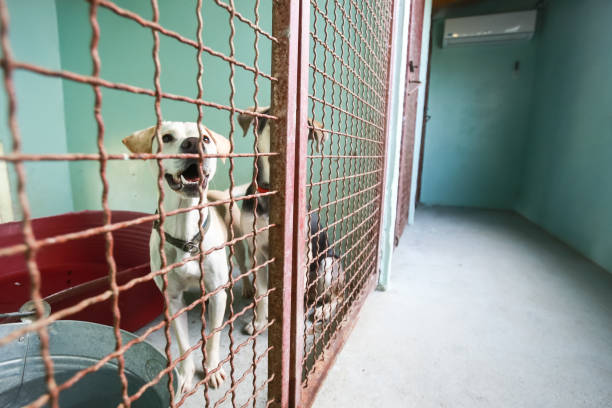
Dogs are often housed alone in shelter settings to reduce injury and disease spread. However, social isolation can be a stressor for dogs. Prior studies have suggested that cohousing can produce behavioral and physiological benefits. These studies have typically...
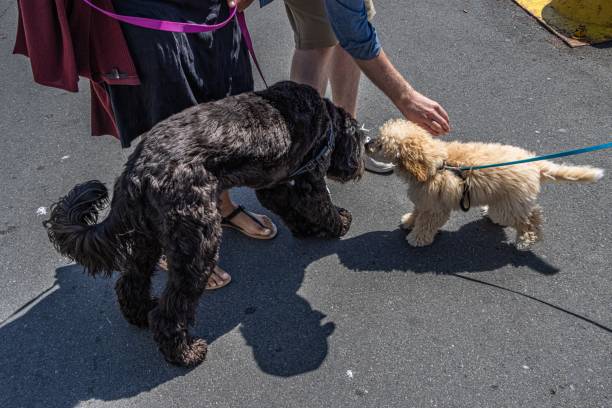
Why should we consider pair or group housing for dogs in kennels? Dogs are considered a socially gregarious species, and many dogs enjoy living with other dogs. Pair or group-housing is a common standard of care for dogs living in kennels (e.g., laboratories,...
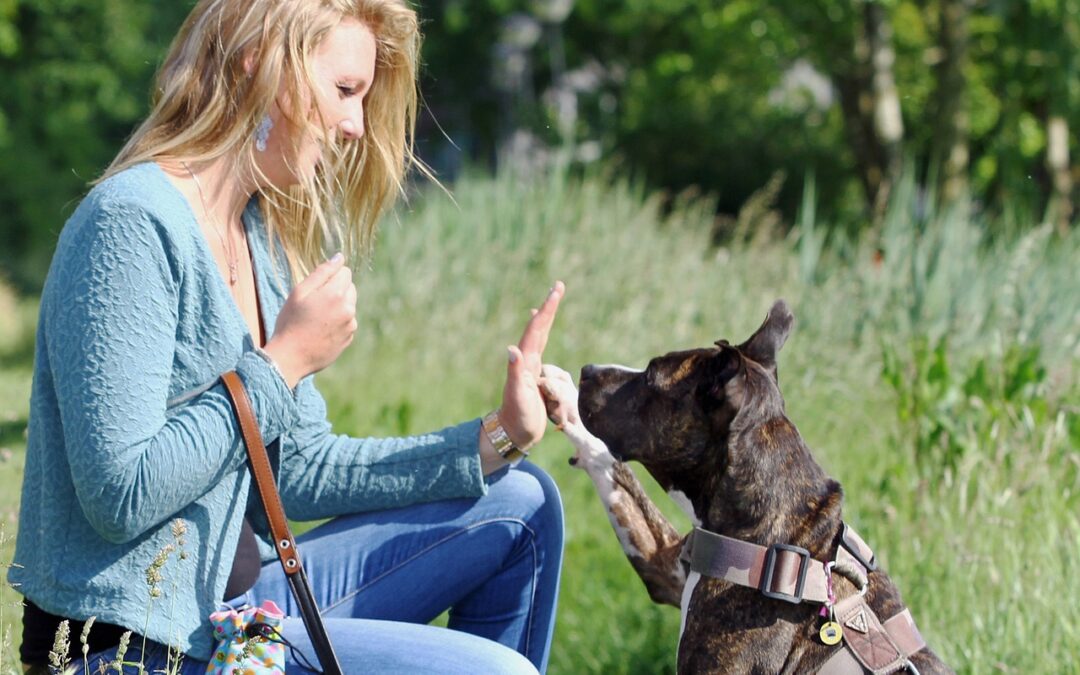
Why Train Your Dogs? Training: Helps you have good relationships with your dogs Reduces the frequency of problem behaviors (such as fear of strangers and jumping up on people) Increases comfort during basic care (such as grooming and veterinary care) Prepares your...
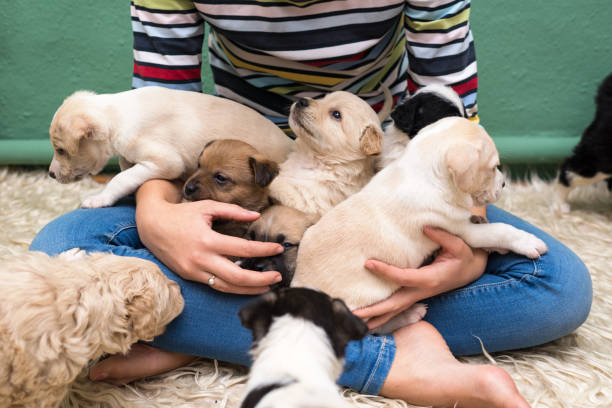
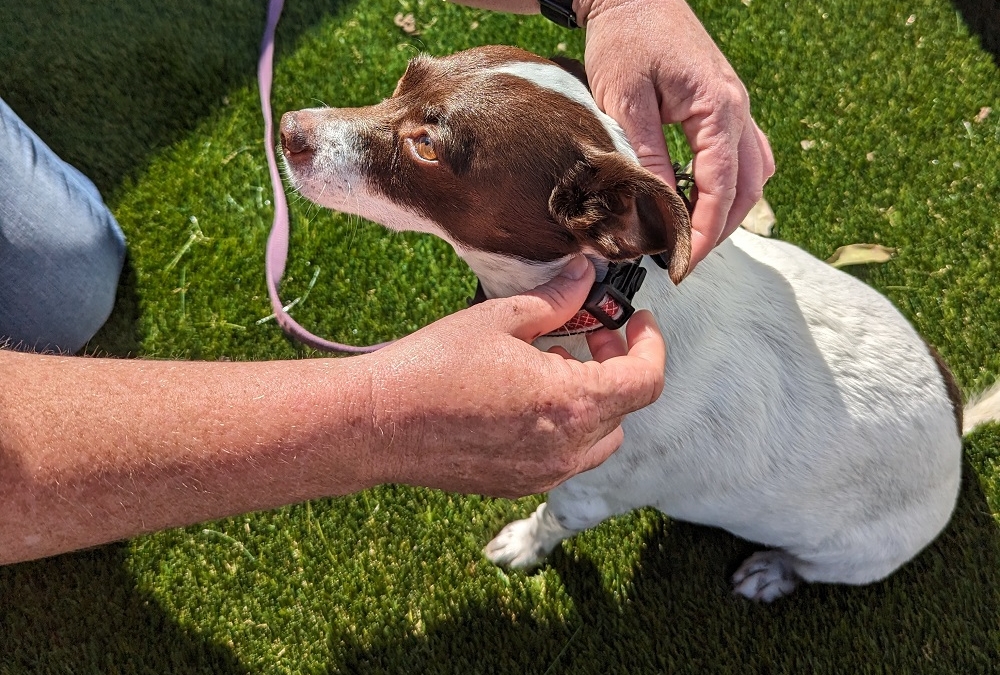
Getting puppies comfortable with handling when they are young (3-14 weeks of age) is critical. All dogs will need to be handled regularly for grooming and veterinary care. Starting early will help them be comfortable with handling as adults. Both familiar caretakers...
A slip lead is a common tool for moving dogs around in kennels, veterinary hospitals, and animal shelters. However, they aren’t especially practical for taking dogs on walks or other places that dogs may go with their new owners. Training your dogs to accept wearing a...
Getting dogs used to handling helps ensure their comfort and minimizes fear. To help dogs accept handling: Gradually expose them to a potentially scary object, person, animal, or experience. Pair the exposure with something that the dog likes, such as food. Begin...