
Nail Trimming for Dogs
Regular nail trims help keep your dog’s feet healthy and prevent injuries. When nails are too long, it can change how your dog stands or walks, which can be painful. Long nails also make it hard for dogs to grip the surface they are walking on. When nails are too long, they can also split or get caught on things.
Supplies You Need for Nail Trimming
- Dog nail trimmers
- Treats
- A lick mat
- Styptic/clotting powder
Get an early start on nail trims
- Get your puppies used to gentle touches of the paws right away.
- Pair any paw handling with treats, so they have good associations with paw handling.
- Never GRAB the paw. Instead start with a solid but gentle stroke at the shoulder, working slowly down to the foot.
 If your dog freezes, tries to escape, tries to bite, or otherwise seems stressed out, stop and ask your attending veterinarian for help.
Getting your dog used to paw handling and nail trims
Sight and smell: First, introduce the trimmer by just placing it on the ground. Let your dog investigate the trimmer at their own pace. Offer treats.
Sound: Get the dog used to the sound of nail clipping. Clip a piece of spaghetti with the trimmers and give your dog a treat.
Touch: Start at the shoulder, move your hand down to the paw and gently touch their nail. Offer treats.
Repeat, but this time gently squeeze a toe. Offer treats.
Repeat, but gently touch the trimmer against a nail. DO NOT TRIM A NAIL. Offer treats.
Work on all four paws.
When the dog is comfortable with these steps, you can trim one nail. Offer treats and lots of praise!
How to Trim Nails
- It may be helpful to have two people, one to offer treats while the second person trims the nails.
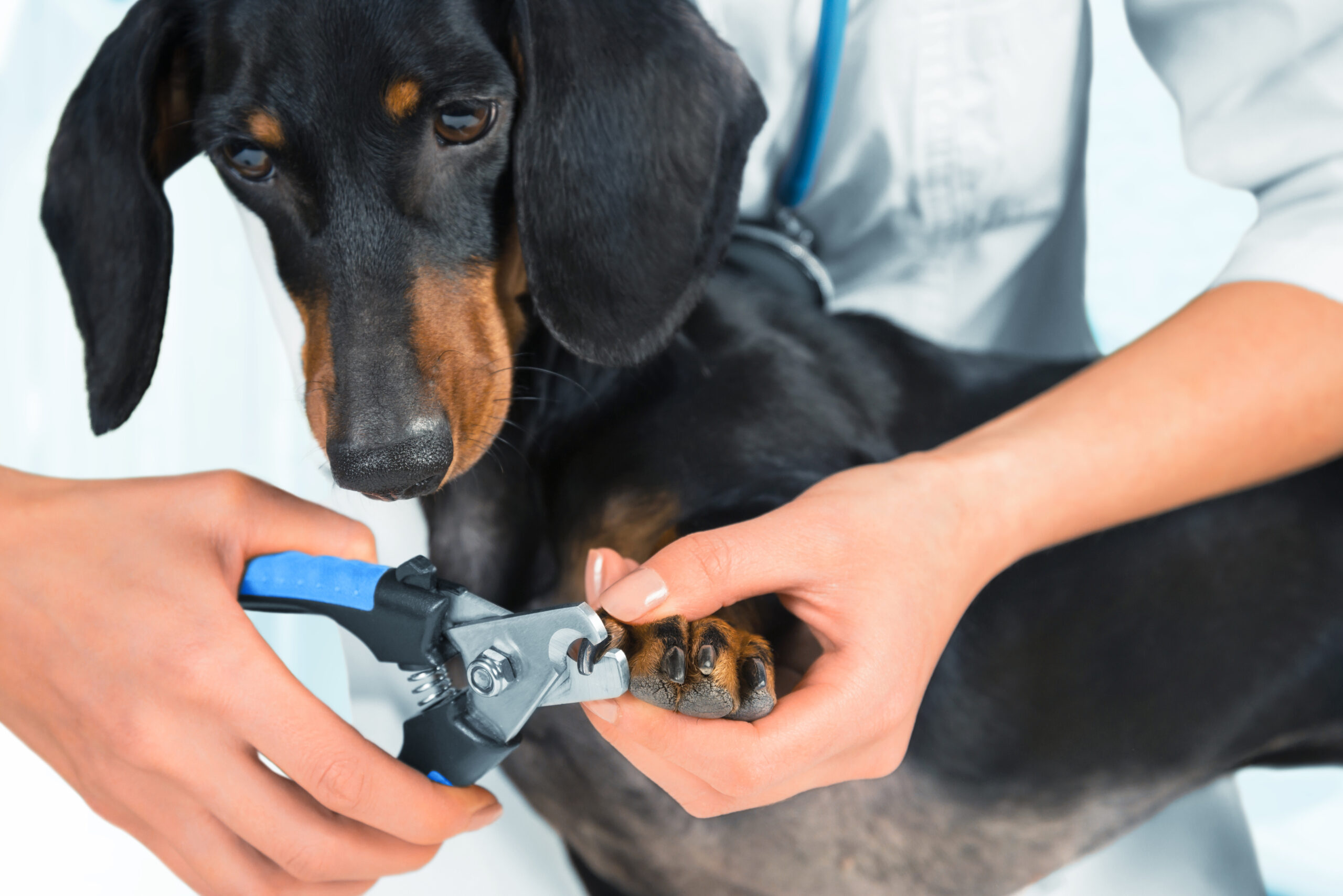
- Gently put pressure on the toe to extend the nail.
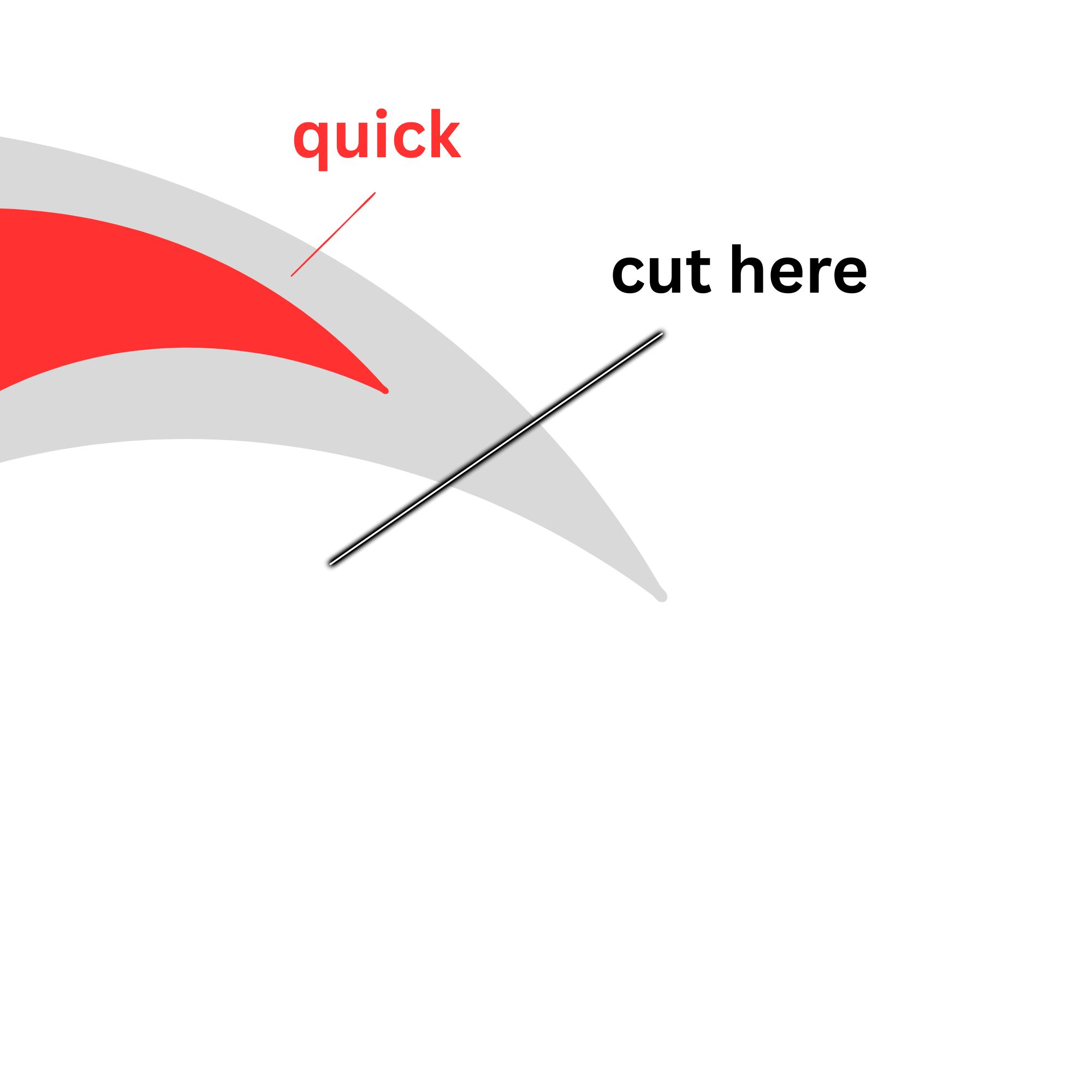
- Clip only the very tip of the nail, watching for the curve of the nail. If you cut too far down, you could hit a blood vessel (“the quick”).
- Cutting the quick will be uncomfortable or even painful for your dog. Apply styptic powder or cornstarch to stop bleeding.
Tips for Nail Trims
- Choose a time when your dog is relaxed and calm. Let your dog choose if they wish to sit, stand or lie down during nail trims.
- For dogs with white or pale nails, you may be able to see the quick, a pink blood vessel. Avoid cutting into the vessel. For dogs with dark nails, trim a small amount at a time to avoid the quick.
- Go slow and be patient. If you can only get one or two nail trims done at a time, that’s okay. Try again later. Over time, you may be able to trim all of the dog’s nails at once.
- A lick mat with suction cups can be attached to a wall so your dog can eat treats while you handle their paws.
- If your dog is upset at any time, stop. It is much better to go slow and help your dog have a positive experience. If your dog is afraid and you force the issue, they will be more likely to be afraid and struggle the next time you try to trim their nails.
- Don’t forget the dewclaws! They need trimming too.
How often do you need to trim your dog’s nails?
Most dogs will benefit from a monthly nail trim. Some dogs may need trims a little more or a little less often than monthly.
Topic(s): Bare Bones Basics, Breeder Resource, Preventative Care, Veterinary Care