D’Aniello, B. and Scandurra, A. (2016). Ontogenetic effects on gazing behaviour: a case study of kennel dogs (Labrador Retrievers) in the impossible task paradigm. Socialization early exposure Continue Reading Ontogenetic Effects on Gazing Behaviour: A Case Study of Kennel Dogs (Labrador Retrievers) in the Impossible Task Paradigm
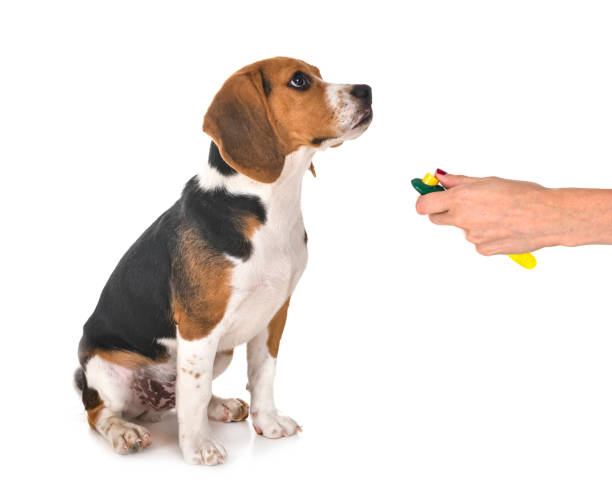
Meyer, I. and Ladewig, J. (2008). The relationship between number of training sessions per week and learning in dogs. Applied Animal Behaviour Science, 111, 311-320. Continue Reading The Relationship Between Number of Training Sessions Per Week and Learning in Dogs
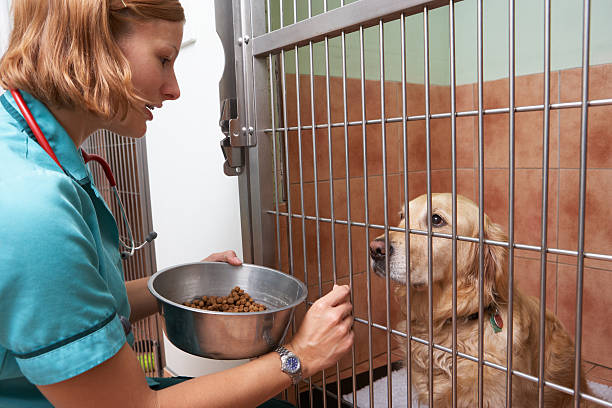
Dogs can be held temporarily or permanently in kennels for a number of reasons, not necessarily for their own benefit. Although restrictive environments have been associated with poor welfare, priorities for research and change cannot be understood unless the various aspects of the kennel environment are appreciated separately. Continue Reading The Effect of the Kennel Environment on Canine Welfare: A Critical Review of Experimental Studies
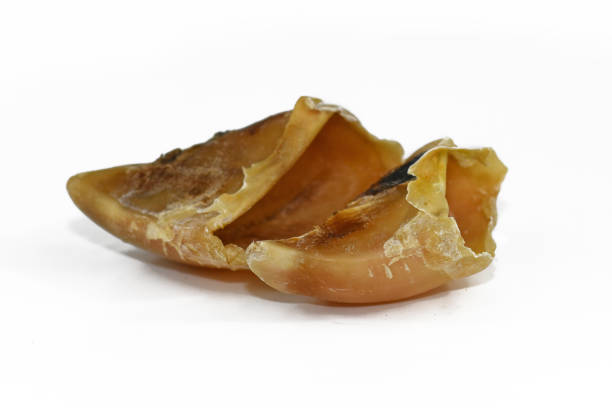
Döring, D., Ketter, D.A., Klima, A., Küchenhoff, H., Dobenecker, B., Schmidt, J., and Erhard, M.H. Horn of calf hooves as chews in laboratory dogs Enrichment Continue Reading Horn of Calf Hooves as Chews in Laboratory Dogs
Döring, D., Backofen, I., Schmidt, J., Bauer, A., and Erhard, M.H. (2018). Use of beds by laboratory beagles. Continue Reading Use of Beds by Laboratory Beagles
Desforges, Emma. 2021. “Challenges and Solutions Surrounding Environmental Enrichment for Dogs and Cats in a Scientific Environment” Animals 11, no. 10: 2980. https://doi.org/10.3390/ani11102980 Continue Reading Challenges and Solutions Surrounding Environmental Enrichment for Dogs and Cats in a Scientific Environment