The OFA recognizes that most hobby and competition breeders have admirable intentions, but are faced with a challenging blend of art and science in which one of the most frustrating aspects is the seeming unpredictability of results Continue Reading A Canine Identity Crisis: Genetic Breed Heritage Testing of Shelter Dogs
Calboli, F.C.F., Sampson, J., Fretwell, N., and Balding, D.J. (2008). Population structure and inbreeding from pedigree analysis of purebred dogs. genetics Continue Reading Population Structure and Inbreeding from Pedigree Analysis of Purebred Dogs
Farrell, L.L., Schoenebeck, J.J., Wiener, P. et al. The challenges of pedigree dog health: approaches to combating inherited disease. Canine Genet Epidemiol 2, 3 (2015). https://doi.org/10.1186/s40575-015-0014-9 Continue Reading The Challenges of Pedigree Dog Health: Approaches to Combating Inherited Disease
vonHoldt, B.M., Shuldiner, E., Koch, I.J., Kartzinel, R.Y., Hogan, A., Brubaker, L., Wanser, S., Stahler, D., Wynne, C.D.L., Ostrander, E.A., Sinsheimer, J.S., Udell, M.A.R. (2017). Structural variants in genes associated with human Williams-Beuren syndrome underlie stereotypical hypersociability in domestic dogs. genetics conditions breeding Continue Reading Structural Variants in Genes Associated with Human Williams-Beuren Syndrome Underlie Stereotypical Hypersociability in Domestic Dogs
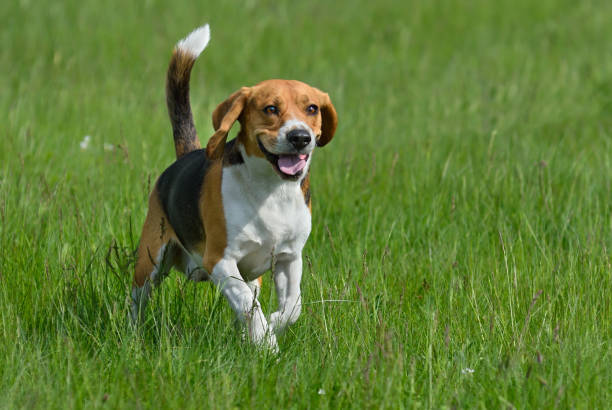
Turcsán, B., Tátrai, K., Petró, E., Topál, J., Balogh, L., Egyed, B., and Kubinyi, E. (2020) Comparison of behavior and genetic structure in populations of family and kenneled beagles. Continue Reading Comparison of Behavior and Genetic Structure in Populations of Family and Kenneled Beagles
Turcsan, B., Kubinyi, E., and Miklósi, A. (2011). Trainability and boldness traits differ between dog breed clusters based on conventional breed categories and genetic relatedness. Continue Reading Trainability and Boldness Traits Differ Between Dog Breed Clusters Based on Conventional Breed Categories and Genetic Relatedness