Filter by Category: Health
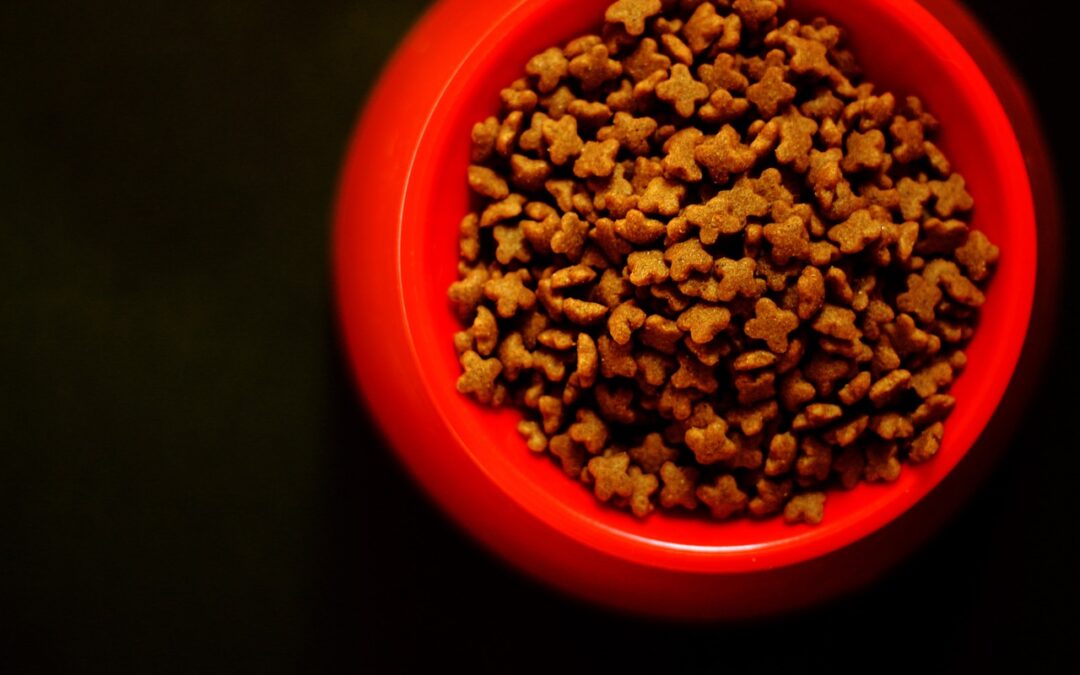
Canine Nutrition Infographic: Croney Research Group
Need to know the basics of canine nutrition? Look no further! You can also download a PDF of this handout to share or print. Feed a high-quality, complete, and balanced dog food approved by AAFCO Feed for appropriate life stage (e.g., puppy, adult, senior) Select a...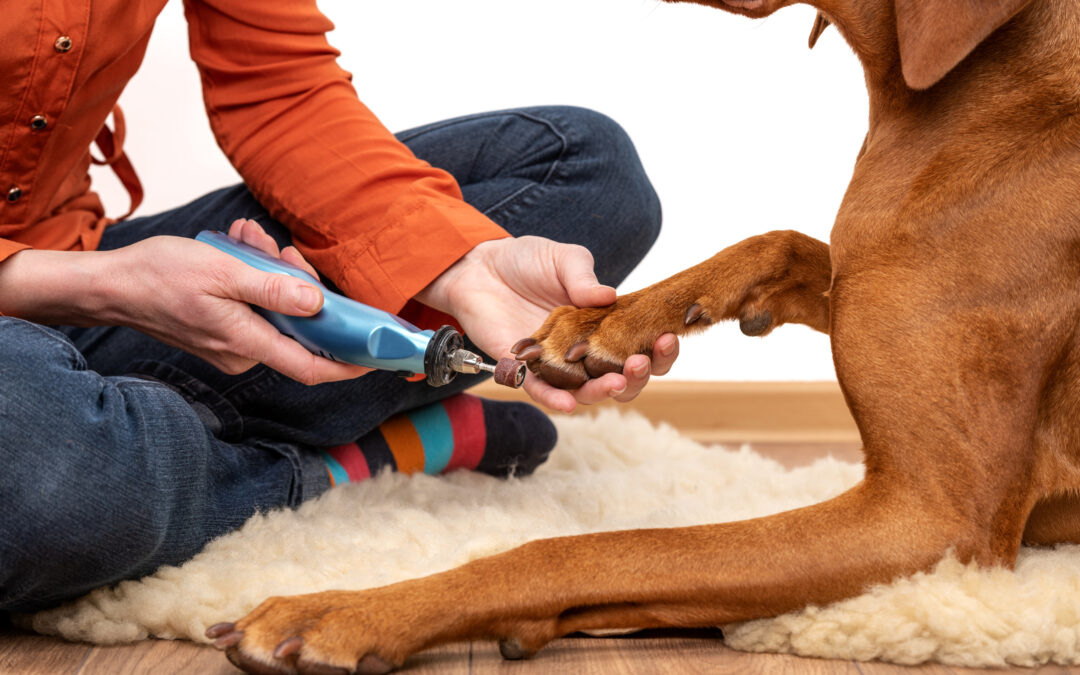
Grinders vs. Clippers: What’s Best for your Dog’s Nails?
Colman, S. (2020, September 24). Grinders vs. clippers: What’s best for your dog’s nails? Whole Dog Journal. Retrieved December 30, 2022, from https://www.whole-dog-journal.com/care/grinders-vs-clippers-whats-best-for-your-dogs-nails/ Continue Reading Grinders vs. Clippers: What’s Best for your Dog’s Nails?

Investigating the Effects of Incremental Conditioning and Supplemental Dietary Tryptophan on the Voluntary Activity and Behaviour of Mid-Distance Training Sled Dogs – CRONEY RESEARCH GROUP
Robinson, E., Templeman, J. R., Thornton, E., Croney, C. C., Niel, L., & Shoveller, A. K. (2020). Investigating the effects of incremental conditioning and supplemental dietary tryptophan on the voluntary activity and behaviour of mid-distance training sled dogs. nutrition Continue Reading Investigating the Effects of Incremental Conditioning and Supplemental Dietary Tryptophan on the Voluntary Activity and Behaviour of Mid-Distance Training Sled Dogs – CRONEY RESEARCH GROUP

Rehoming Breeding Dogs Handout – Croney Research Group
Croney, C., & Shreyer, T. (n.d.). Rehoming Breeding Dogs. Croney Lab, College of Veterinary Medicine, Purdue University rehome retire The Stanton Foundation Continue Reading Rehoming Breeding Dogs Handout – Croney Research Group