
Dog and Baby Safety
Dog and baby safety . Family Paws.com. problem behavior Continue Reading Dog and Baby Safety

Dog and baby safety . Family Paws.com. problem behavior Continue Reading Dog and Baby Safety
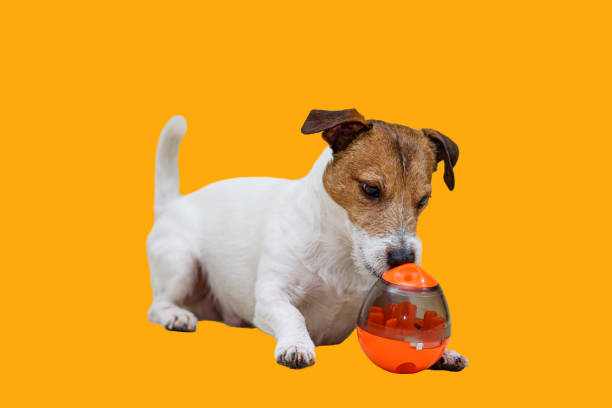
Su, D. K., Murphy, M., Hand, A., Zhu, X., & Witzel‐Rollins, A. Impact of feeding method on overall activity of indoor, client‐owned dogs. Enrichment feeding toys Continue Reading Impact of Feeding Method on Overall Activity of Indoor, Client‐Owned Dogs
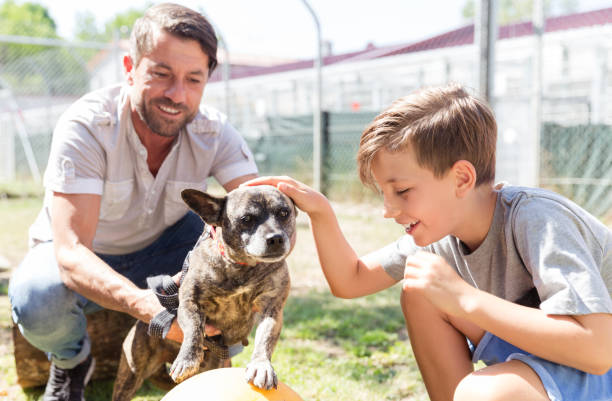
Shiverdecker, M. D., Schiml, P. A., & Hennessy, M. B. Human interaction moderates plasma cortisol and behavioral responses of dogs to shelter housing enrichment Continue Reading Human Interaction Moderates Plasma Cortisol and Behavioral Responses of Dogs to Shelter Housing
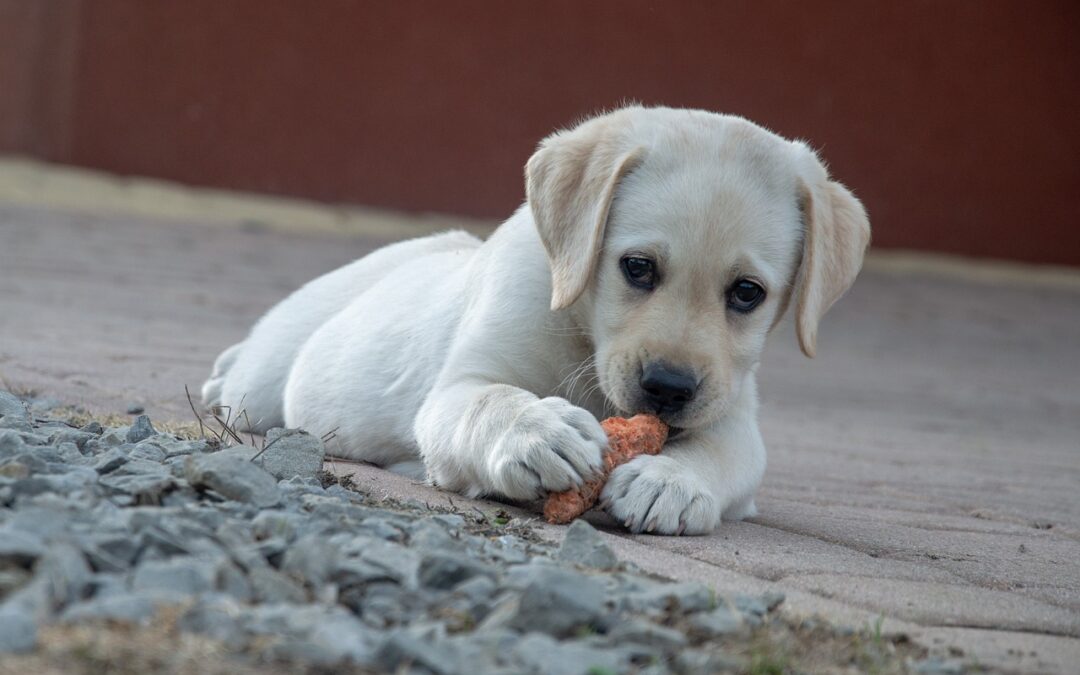
Schipper, L.L., Vinke, C.M., Schilder, M.B.H., and Spruijt, B.M. The effect of feeding enrichment toys on the behaviour of kennelled dogs (Canis familiaris). The behaviour of eight laboratory dogs (Toy group) was observed in their home cage during three trials (pre-toy, toy interaction and post-toy). During the toy interaction trial, the animals received the ‘Kong extreme™’; a rubber dog toy stuffed with dog treats. Continue Reading The Effect of Feeding Enrichment Toys on the Behaviour of Kennelled Dogs (Canis familiaris)
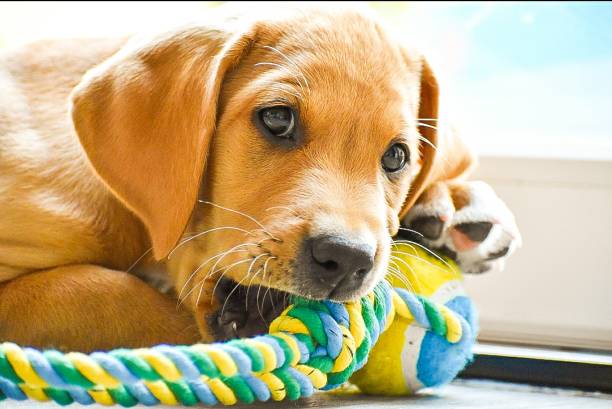
Pullen, A.J., Merrill, R.J.N., and Bradshaw, J.W.S. Habituation and dishabituation during object play in kennel-housed dogs. enrichment Domestic dogs are reported to show intense but transient neophilia towards novel objects. Here, we examine habituation and dishabituation to manipulable objects by kennel-housed dogs. Labrador retrievers (N = 16) were repeatedly presented with one toy for successive 30-s periods until interaction ceased. Continue Reading Habituation and Dishabituation During Object Play in Kennel-Housed Dogs
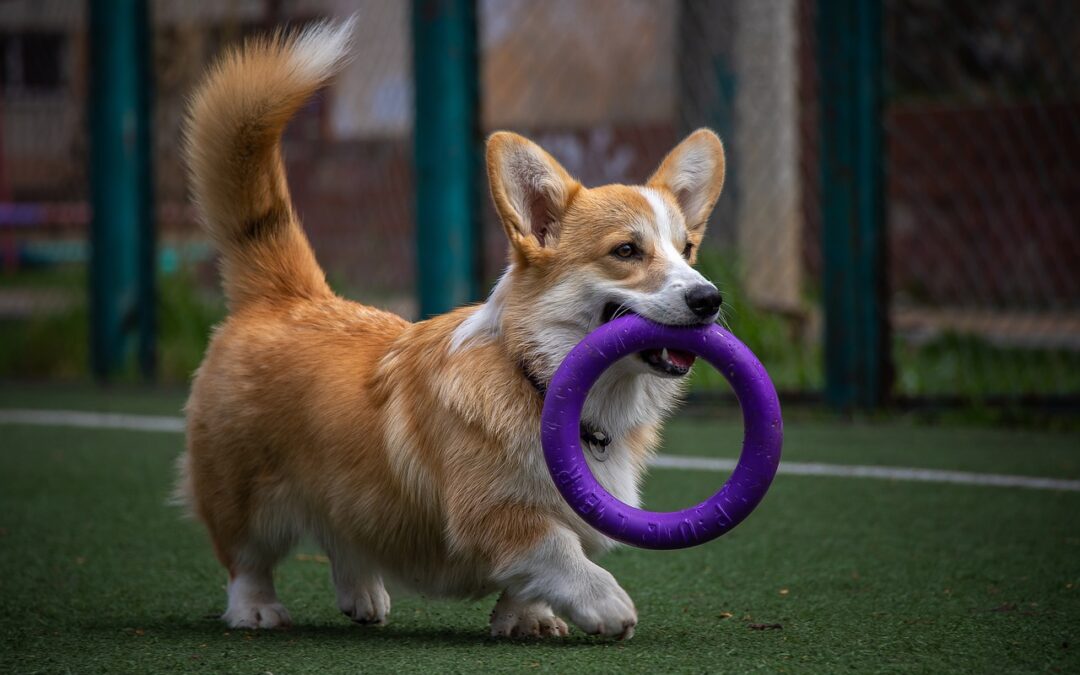
In this study we have examined short-term preferences for toys with a range of characteristics, using two methods of presentation, in both long-stay dogs in complex kennels, and short-stay dogs in rehoming kennels. Our findings support previous proposals that robust toys are little used by kennel housed dogs. However, with less robust toys, interaction was relatively prolonged, indicating that interest to the dog may be enhanced if the toy can be chewed easily and/or makes a noise. Hanging toys were not favoured, although these have been reported to stimulate high levels of interaction in juvenile laboratory beagles. Pullen, A. J., Merrill, R. J. N., & Bradshaw, J. W. S. (2010). Preferences for toy types and presentations in kennel housed dogs. Continue Reading Preferences for Toy Types and Presentations in Kennel Housed Dogs