Jagoe, A. and Serpell, J. (1996). Owner characteristics and interactions and the prevalence of canine behavior problems. Continue Reading Owner Characteristics and Interactions and the Prevalence of Canine Behavior Problems
Protopopova, A., Gilmour, A. J., Weiss, R. H., Shen, J. Y., & Wynne, C. D. L. (2012). The effects of social training and other factors on adoption success of shelter dogs. Applied Animal Behaviour Science, 142(1), 61-68. doi:https://doi.org/10.1016/j.applanim.2012.09.009 Continue Reading The Effects Of Social Training And Other Factors On Adoption Success Of Shelter Dogs
Position statement on humane dog training American … American Veterinary Society of Animal Behavior. problem behavior intervention Continue Reading AVSAB Humane Dog Training Position Statement
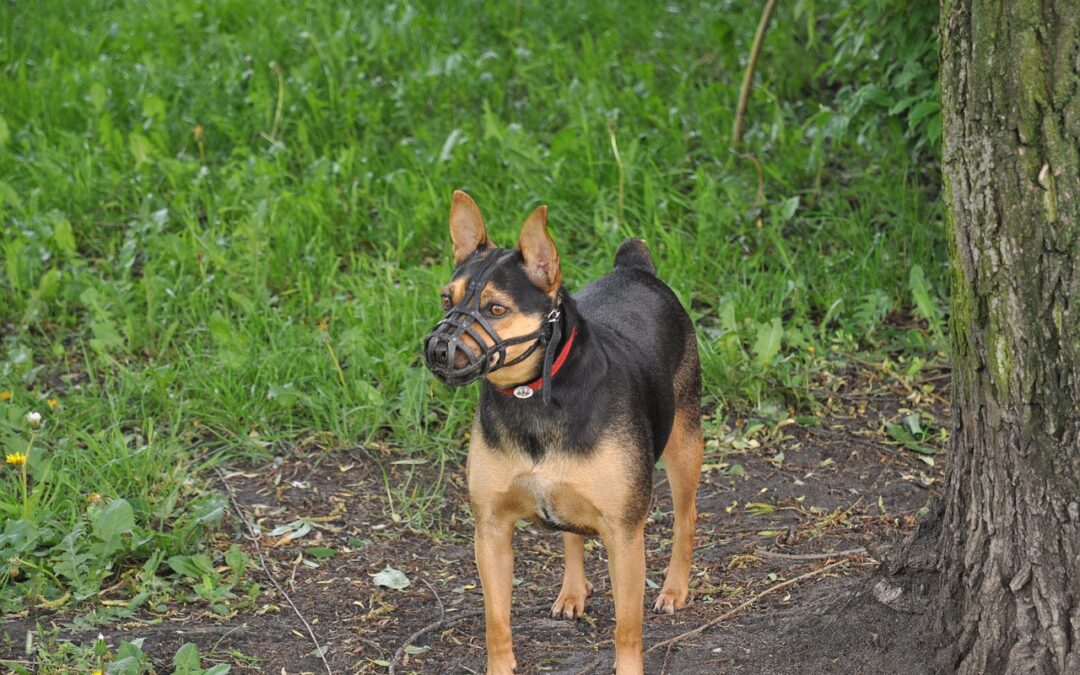
Muzzle Up! Resources: Video Training Series on Youtube, Guides and Images, and Websites. The Muzzle Up! Project. problem behavior intervention Continue Reading Muzzle Up! Resources: Video Training Series on Youtube, Guides and Images, and Websites
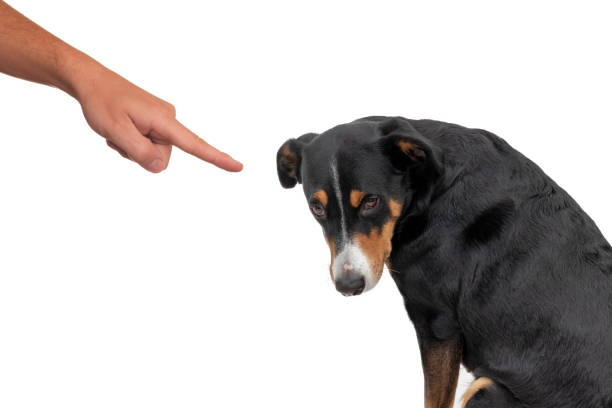
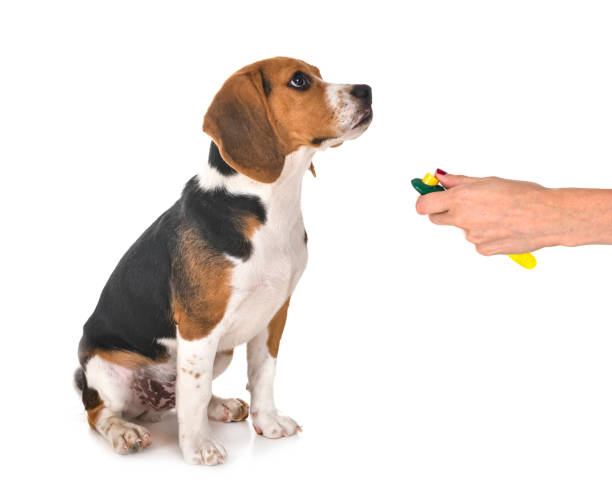
Dog training methods range broadly from those using mostly positive punishment and negative reinforcement (aversive-based) to those using primarily positive reinforcement (reward-based). Although aversive-based training has been strongly criticized for negatively affecting dog welfare, there is no comprehensive research focusing on companion dogs and mainstream techniques, and most studies rely on owner-reported assessment of training methods and dog behavior. Continue Reading Does Training Method Matter? Evidence for the Negative Impact of Aversive-Based Methods on Companion Dog Welfare
Meyer, I. and Ladewig, J. (2008). The relationship between number of training sessions per week and learning in dogs. Applied Animal Behaviour Science, 111, 311-320. Continue Reading The Relationship Between Number of Training Sessions Per Week and Learning in Dogs