
Managing Giardia in Dog Kennels
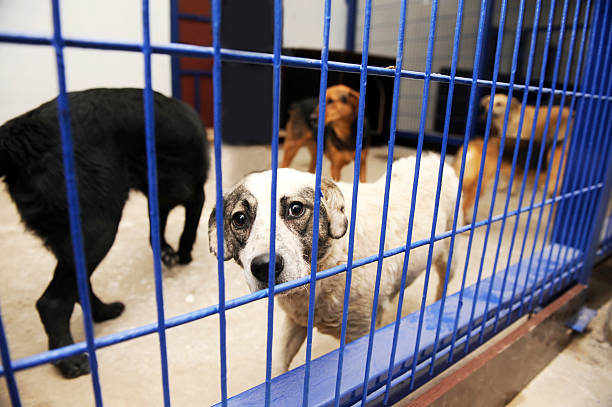
Giardia is a parasite commonly found in dogs. It spreads easily in group settings such as kennels and animal shelters. Dogs consume Giardia cysts through contaminated food, water, or contact with feces. A cyst is a form of Giardia that is inactive and in a protective “shell.” When the cyst enters the digestive tract, stomach acids activate Giardia into a form that can cause an infection.
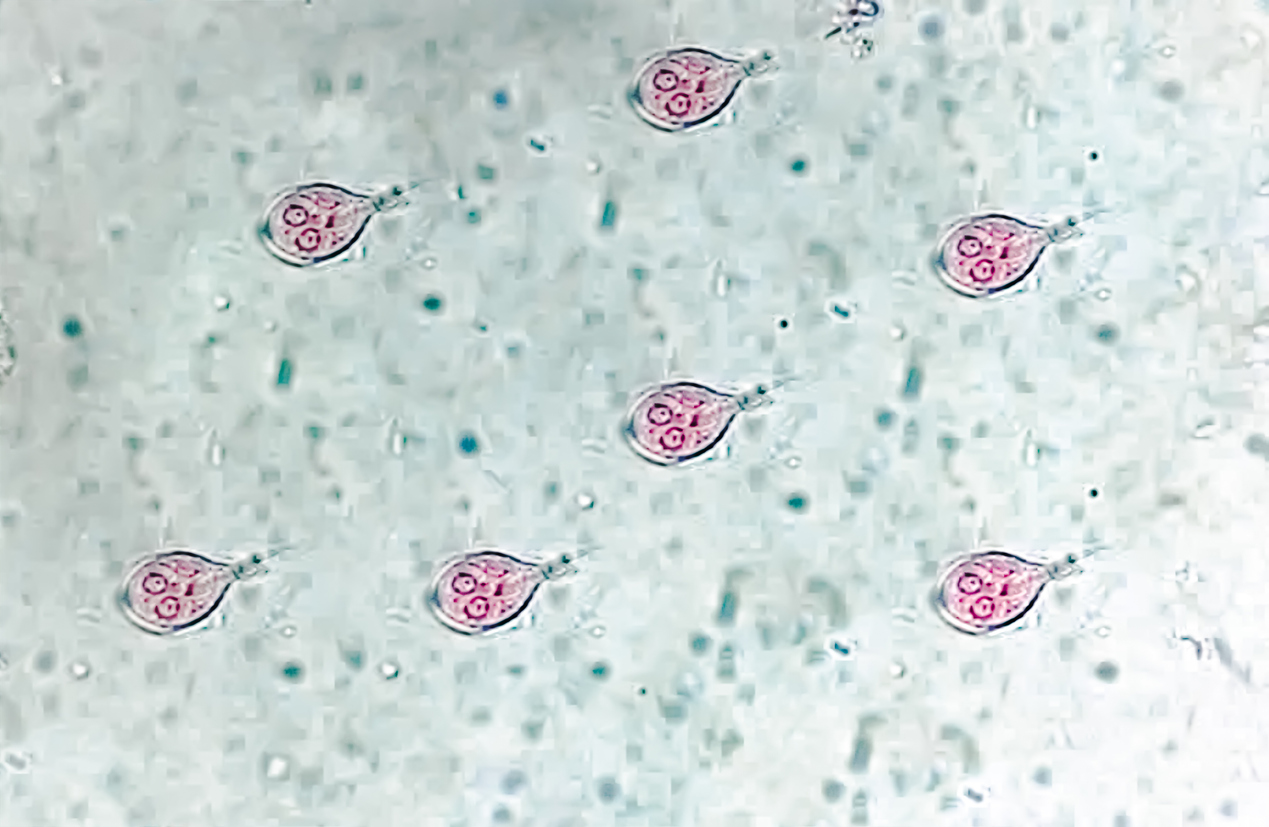
Giardia is a parasite, and giardiasis is the illness caused by Giardia.
The most common sign of Giardia infection is diarrhea. Some dogs may vomit or lose weight. Many infected dogs have no signs of disease at all, even though they can still transmit Giardia to other dogs.
Is Giardia dangerous to my dogs?
Puppies are especially vulnerable. Giardia can be life-threatening to them or to immunocompromised dogs. However, most healthy dogs will have a good prognosis.
A regular fecal test (a “fecal float”) can miss a Giardia infection. A fecal float using a zinc sulfate solution is better at detecting infection. Multiple tests may be needed to definitively identify Giardia.
A test called an immunoassay looks for specific proteins that indicate Giardia. These tests must be done with your veterinarian’s help as they may need to be sent out to a lab for analysis.
The most common medications used for Giardia are:
- fenbendazole (Panacur®)
- metronidazole
The two medications are also used in combination when needed. There are other medications that can be effective. Your veterinarian will help you determine the best treatment.
Are there other things that can help?
Some dogs benefit from an easily digested diet that your veterinarian can recommend. Other dogs may improve with a fiber or probiotic supplement.
How do I stop Giardia from spreading in my kennel?
Giardia cysts can survive for months in water or the ground. Many cleaning products do not kill Giardia. This makes Giardia especially challenging to manage. Some general guidelines:
- Isolate any infected dogs until they have completed treatment.
- Retest dogs after treatment.
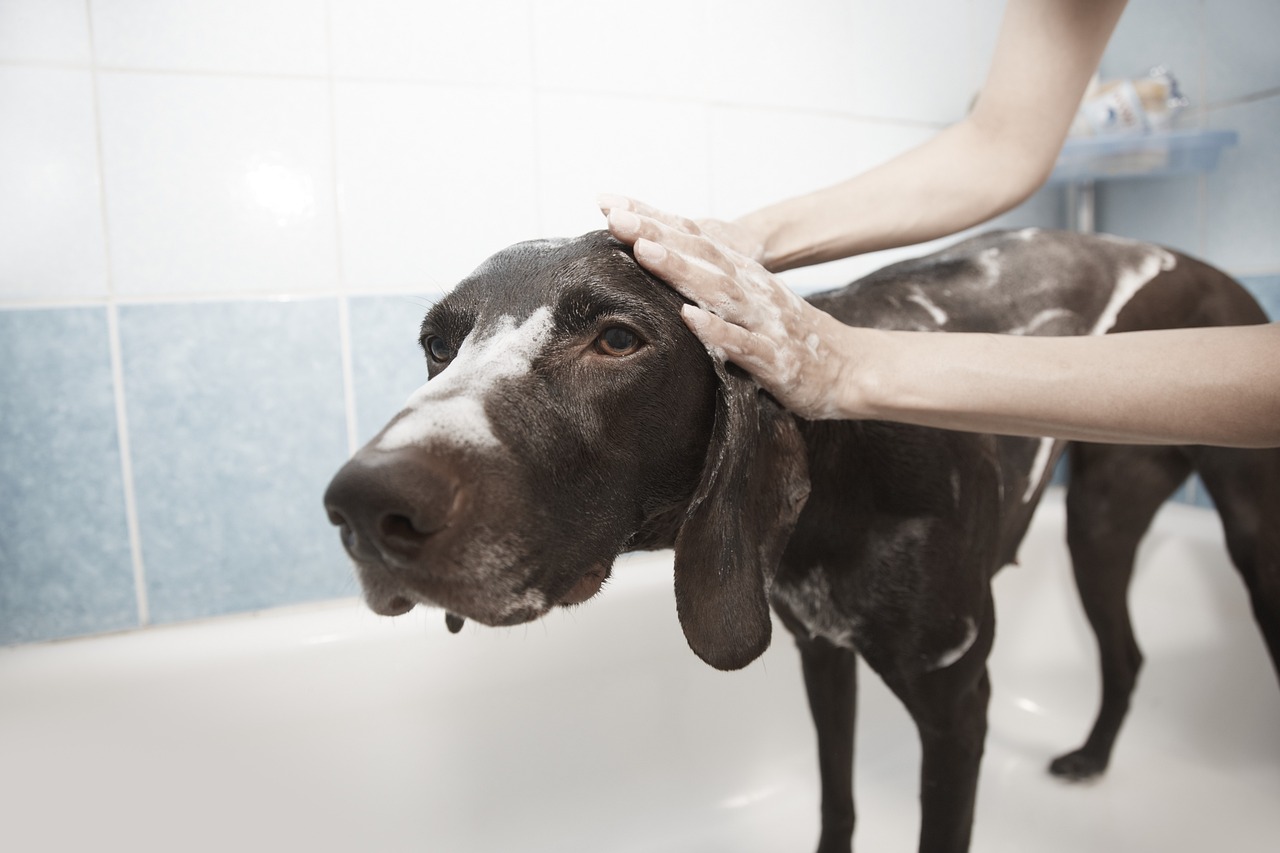
- Bathe dogs at the end of their treatment.
- Clean up feces at least once a day. This reduces environmental contamination.
- Clean and disinfect your kennel regularly. Bleach and quaternary ammonium products are effective for killing giardia. Steam cleaning can also be helpful.
- Launder bedding and wash dog food bowls and water receptacles regularly.
- Give dogs access to clean water.
- Elevate water receptacles so they aren’t touching the ground.
- Remove standing water on your property.
Can my dog infect me with Giardia?
The most common species of Giardia that infect dogs prefer to live in dogs. Humans are at low risk of infection. Immunocompromised individuals should take precautions. For safety:
- Remove feces from your kennels daily.
- Clean and disinfect your kennel regularly.
- Wash your hands thoroughly after handling your dogs.
Topic(s): Bare Bones Basics, Breeder Resource, Health, Preventative Care, Preventative Health Care - Parasite Screening & Prevention, Veterinary Care