
Brushing and Coat Care
Different dog breeds have different coat types – and some need more maintenance than others. For example, some breeds have “double coats” and shed heavily, while other breeds have longer hair that require more maintenance.
Regular Brushing
- Regardless of breed, all dogs should be brushed regularly. Brushing helps keep the coat clean and removes dead skin cells and loose hairs.
- Brushing keeps a dog’s coat moisturized by stimulating the secretion of natural oils.
- Brushing carefully allows you to take a good look at the quality of your dog’s hair and skin, and inspect them for cuts, sores, or bumps.
- When done well, brushing can be pleasant for your dog.
- Regular brushing also prevents mats, which can be painful and difficult to remove.
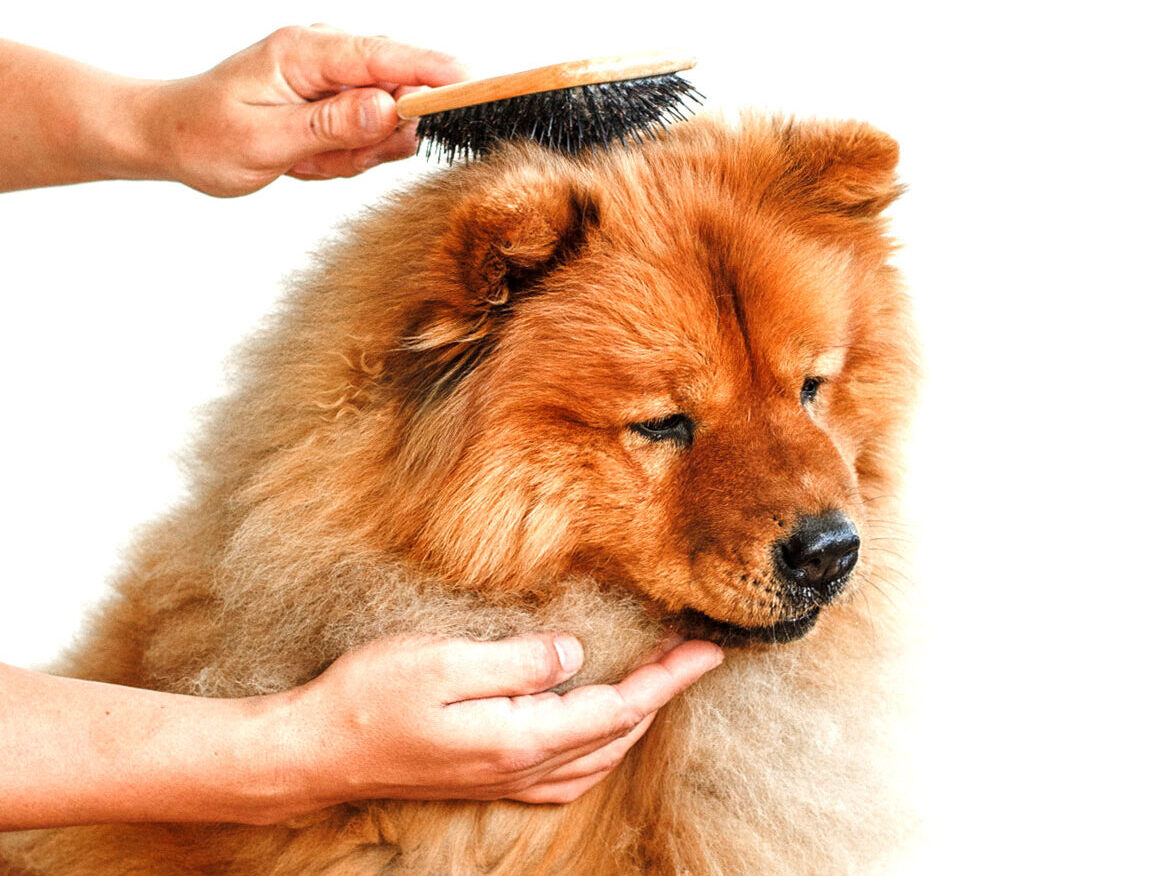
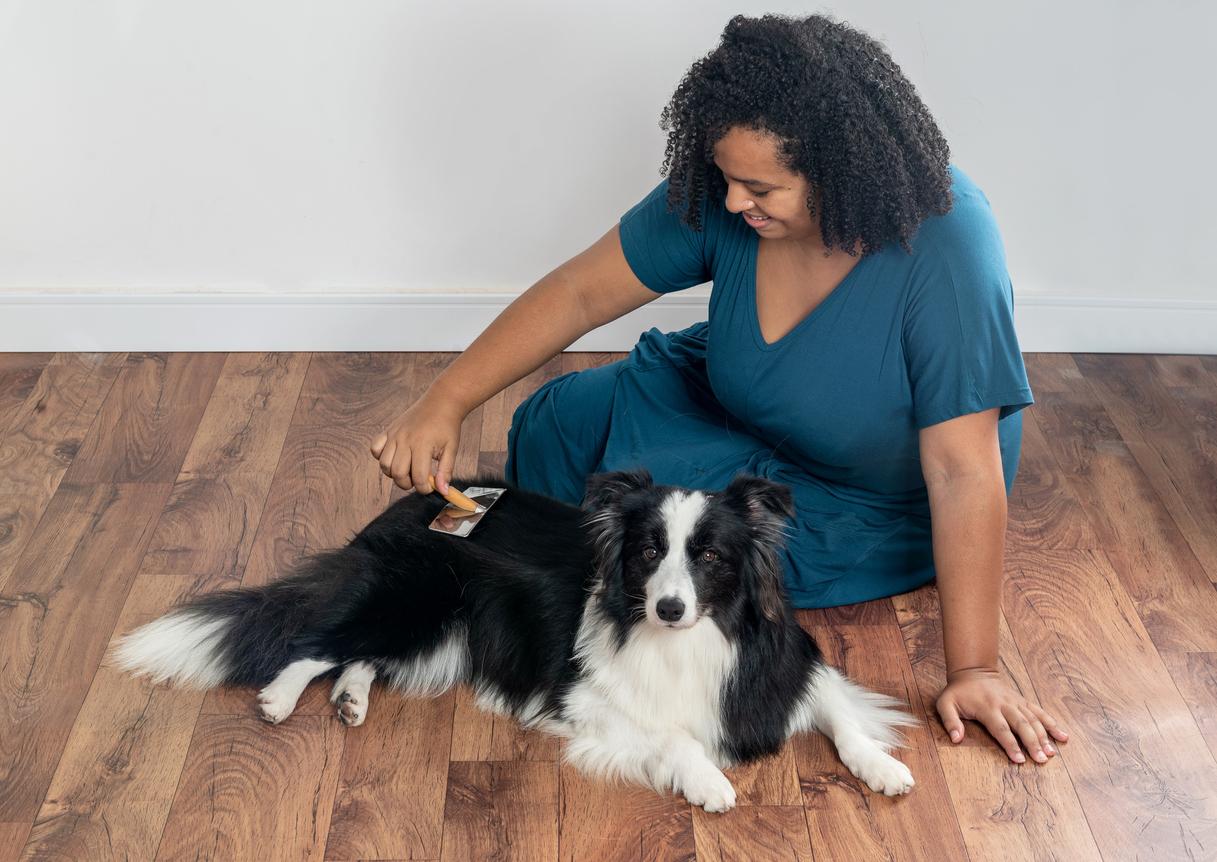
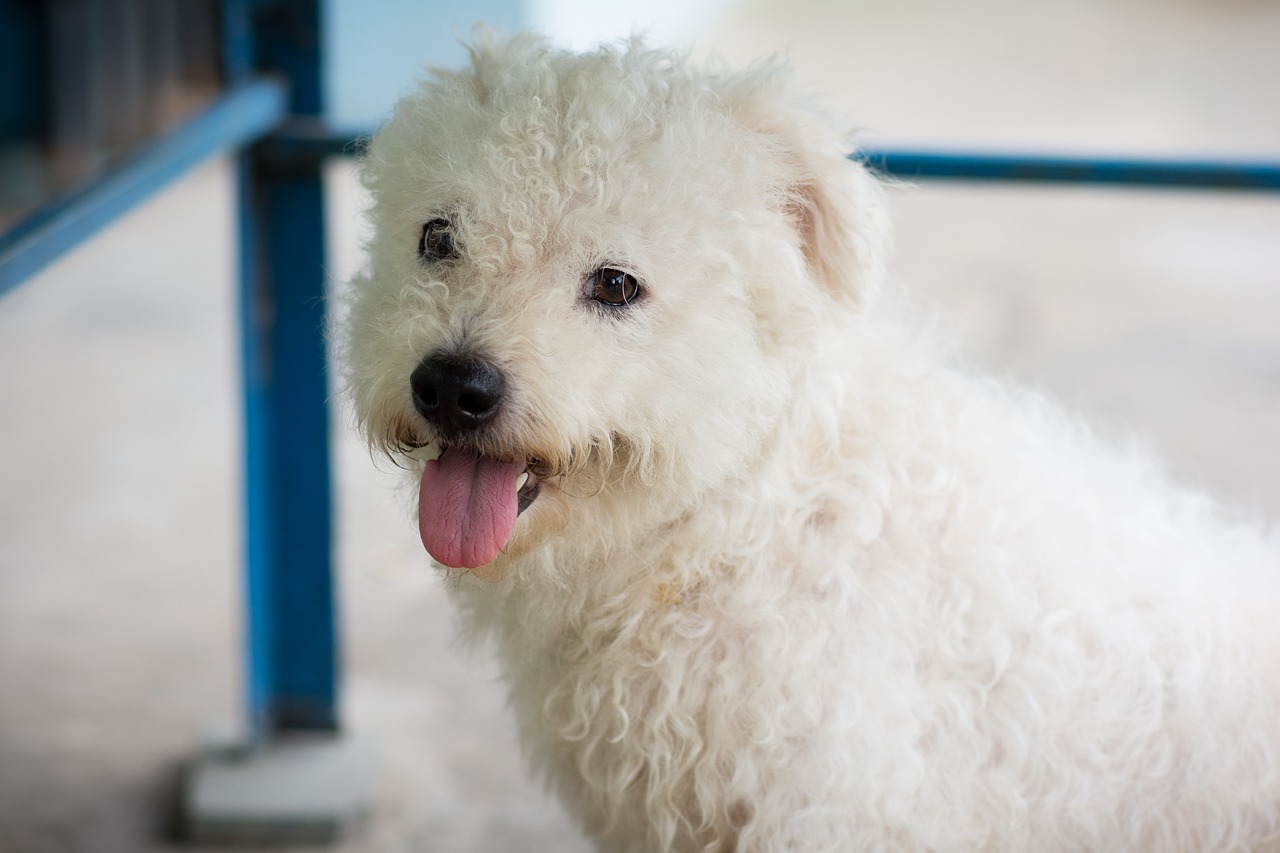
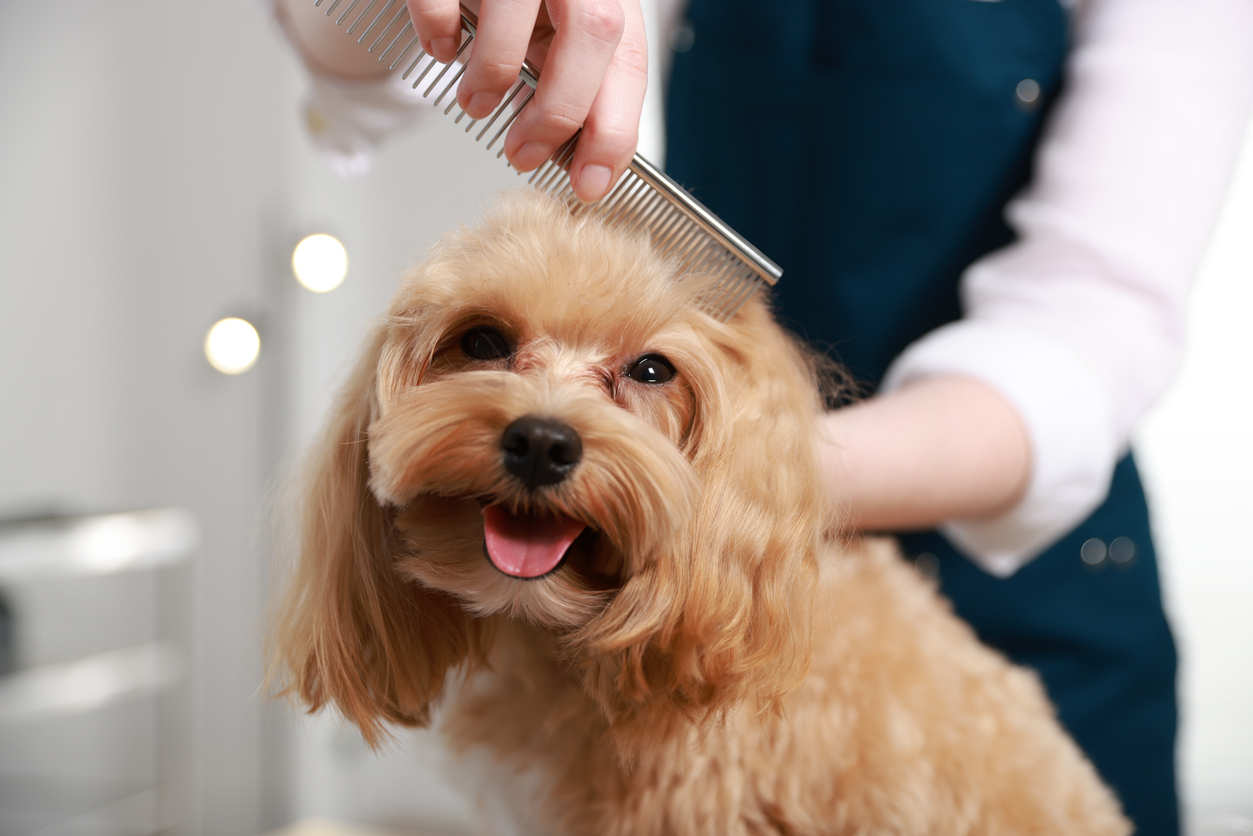
Dog Coat Types
|
Long: Can be fluffy or “shaggy” Medium: Longer than one inch, but not as fluffy as long-haired dogs Short: A close, smooth, shiny coat Double: A short undercoat, with a longer top coat |
Curly: Hair is curly or wavy, curls may be tight or loose Wire: Stiff, coarse hair, low shedding Fine/silky: Long, shiny, can tangle Hairless: Have little to no fur on their bodies |
How often do I need to brush my dog?
Each dog is different. Inspect your dogs’ coats daily to see if they need more grooming. Consider:
- What is your dog’s coat length?
- How much do they shed?
- What type of hair do they have (curly, wiry or straight)?
Suggested Brushing Frequency
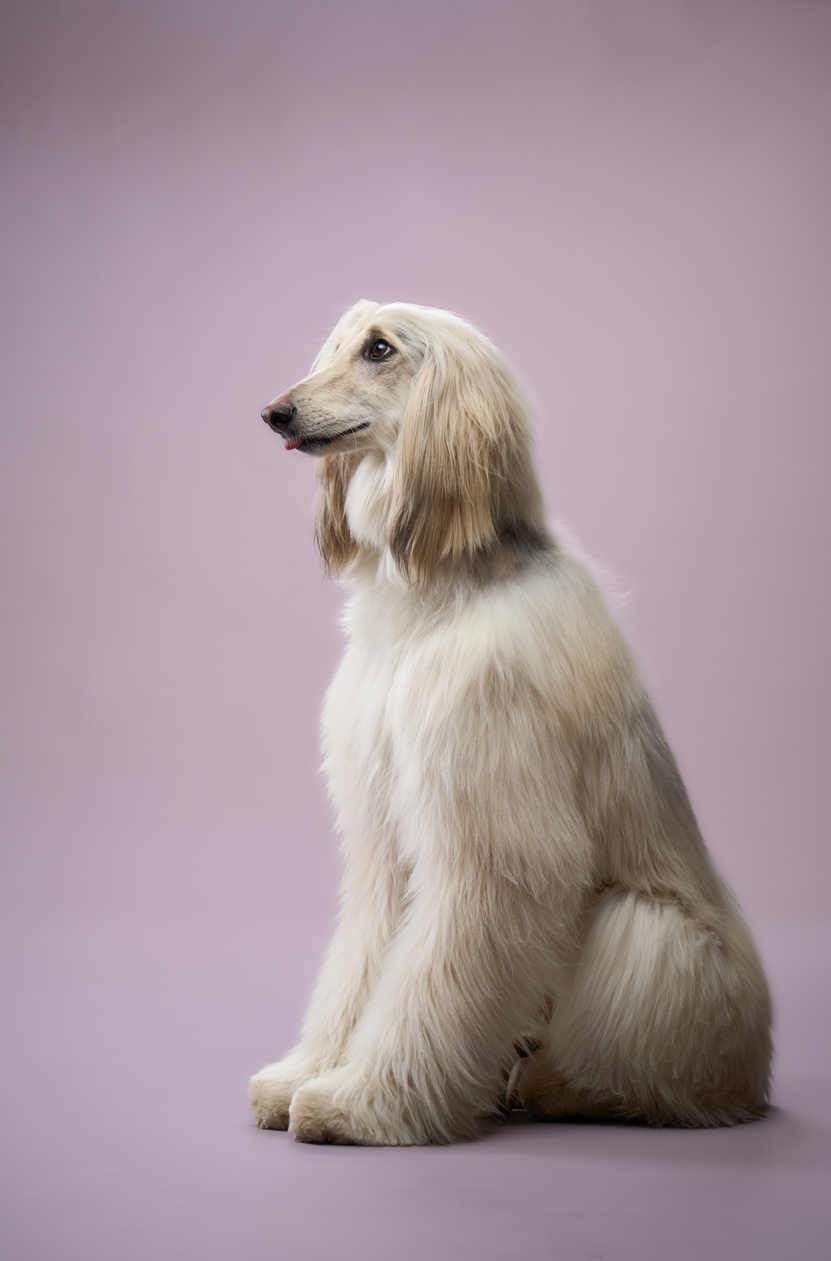
- Long-haired and silky breeds benefit from daily brushing.
- Wavy-coated dogs such as Poodles and their hybrids, also need daily brushing.
- Dogs with thick undercoats should be brushed once or twice a week, or more if needed.
- Curly-haired dogs benefit from brushing 2 to 3 times a week.
- Short-haired and smooth dogs need brushing once a week or so.
- Dogs may need more brushing when they are shedding (Spring and Fall).
Making brushing pleasant for puppies and dogs
- Get your puppies used to being brushed when they are young. Their future caregivers will thank you!
- Use the right tools so your dogs are comfortable being brushed.
- Start slow and don’t think you have to accomplish a full brushing in one sitting.
- Always brush gently!
- Brush your dog when they tend to be relaxed or tired, such as after exercise.
- Pair brushing with treats to help your dog enjoy it. Use high value treats!
- If possible, have a second person provide delicious treats while the other brushes.
- Brush your dog all over – focusing too much on one part of the body can be uncomfortable.
- Don’t use tools that pull your dog’s hair.
- Brush the dog in the direction that their hair grows.
 If your dog freezes, tries to escape, tries to bite, or otherwise seems stressed out, stop and ask your attending veterinarian for help.
Professional Grooming
There are times when you might want to have a veterinary clinic or professional groomer take care of your dog’s coat.
Dogs with hair that continuously grows, such as Shih Tzus,Yorkshire Terriers, Poodles and their crossbreeds, need regular trimming.
Terrible Tangles: Dealing with Mats
A mat is a tangle of fur. Mats can be problematic and painful, as they can pull on the skin. When mats are small, they can often be removed or detangled by hand. Go slow and be careful.
If your dog has larger or tighter mats, you should consult with your veterinarian or a professional groomer. Trying to cut mats out yourself can lead to accidental cuts or injuries.
Prevention is key – regularly grooming can prevent mats. Once your dog has mats, especially when severe, you may need professional help. A groomer may use electric clippers to remove mats.
Nutrition and the Coat
Good nutrition can help your dog have a healthier coat. Feed a good-quality, life stage appropriate dog food.
Tools for Grooming
Continue reading for a guide to the different types of combs and brushes you can use to groom your dogs!
Tool |
Good fit for… |
Usage and tips |
| Slicker Brushes | Most dogs: curly coats, double coats, long or short, wire coats |
|
| Combs | Curly or wavy coats, long straight coats, wire coats |
|
| Pin Brush | Medium to long coats, fine hair |
|
| Stiff Bristle Brush | Most smooth coats and short-haired dogs |
|
| Shedding Blade | Double coats |
|
| Grooming gloves/mitts | Most dogs |
|
| Rubber Brushes | Short-haired, smooth-coated dogs |
|
| Flea Comb | Most dogs |
|
| Deshedding Tools | Dogs with undercoats |
|
Topic(s): Bare Bones Basics, Breeder Resource, Preventative Care, Preventative Health Care - Grooming & Nail Care, Veterinary Care